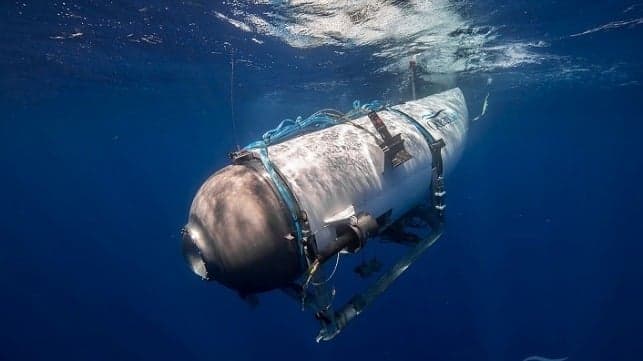
Canada has issued its final report regarding the implosion of the Titan submersible, which resulted in the loss of five lives. The report emphasizes the critical need for comprehensive regulatory oversight in the design, construction, and operation of deep-sea submersibles. It highlights that the Titan operated in an unregulated space, contributing to the catastrophic failure.
This incident underscores the gaps in international maritime law concerning novel deep-sea exploration vessels. Currently, many such operations fall outside the purview of traditional classification societies or national maritime authorities, leading to a lack of mandatory safety standards and inspections.
For freight forwarders and logistics professionals, while not directly impacting cargo operations, this report signals a potential shift towards increased scrutiny and regulation across specialized maritime sectors. It could lead to more stringent safety protocols and certification requirements for any vessel involved in niche or experimental maritime activities, potentially affecting project cargo or specialized transport if similar regulatory gaps are identified. This might also influence insurance premiums for unconventional marine operations.
The report suggests that Canada will advocate for international cooperation to establish robust regulatory frameworks. This could involve working with organizations like the International Maritime Organization (IMO) or other relevant bodies to develop new guidelines or amend existing conventions to cover advanced submersibles and similar craft, ensuring a safer future for deep-sea exploration.