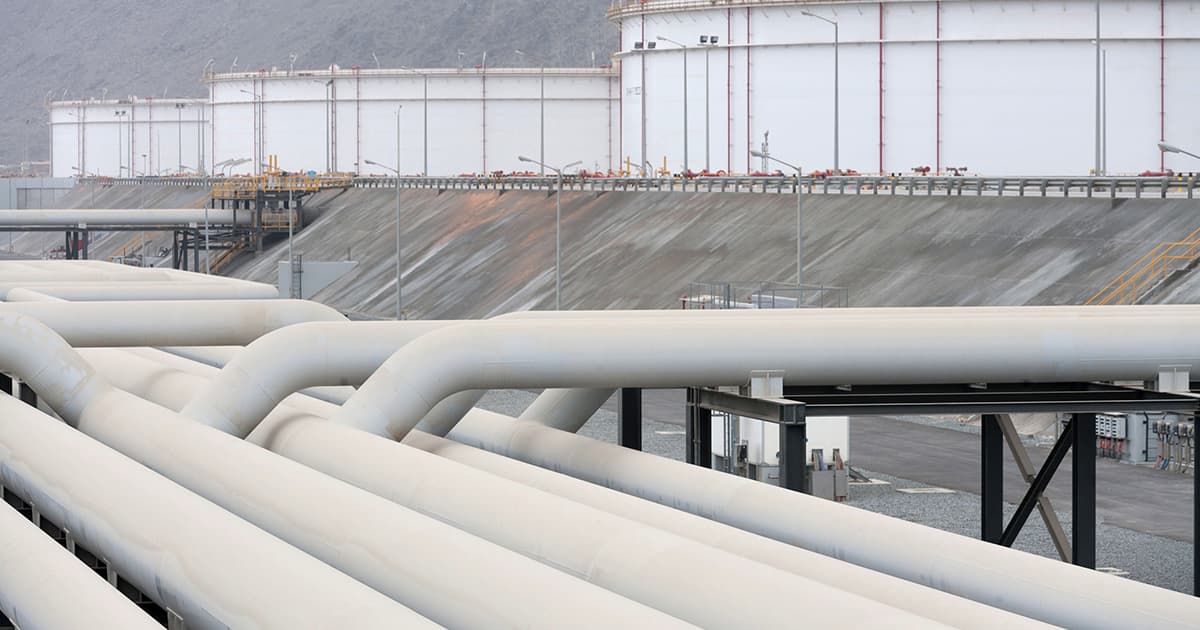
Azerbaijan transported 10.6 million metric tons of crude oil through the Baku-Tbilisi-Ceyhan (BTC) pipeline between January and May 2026. This volume represents an 8.6% decline when compared to the corresponding period in the previous year, according to data released by the country's statistics committee. The BTC pipeline is a critical conduit for Azerbaijani oil, originating from the Azeri, Chirag, and Guneshli oilfields, and extending through Georgia to the Turkish port of Ceyhan.
For freight forwarders and operations managers, a sustained reduction in oil exports via the BTC pipeline could have several implications. Primarily, it might lead to a decrease in tanker demand from the port of Ceyhan, which is the pipeline's terminus. This could potentially soften crude oil tanker freight rates in the Mediterranean and Black Sea markets. Shippers relying on this route for crude oil transport may experience more available capacity and potentially lower shipping costs. Conversely, any increase in alternative export routes or a rebound in production could quickly shift market dynamics.