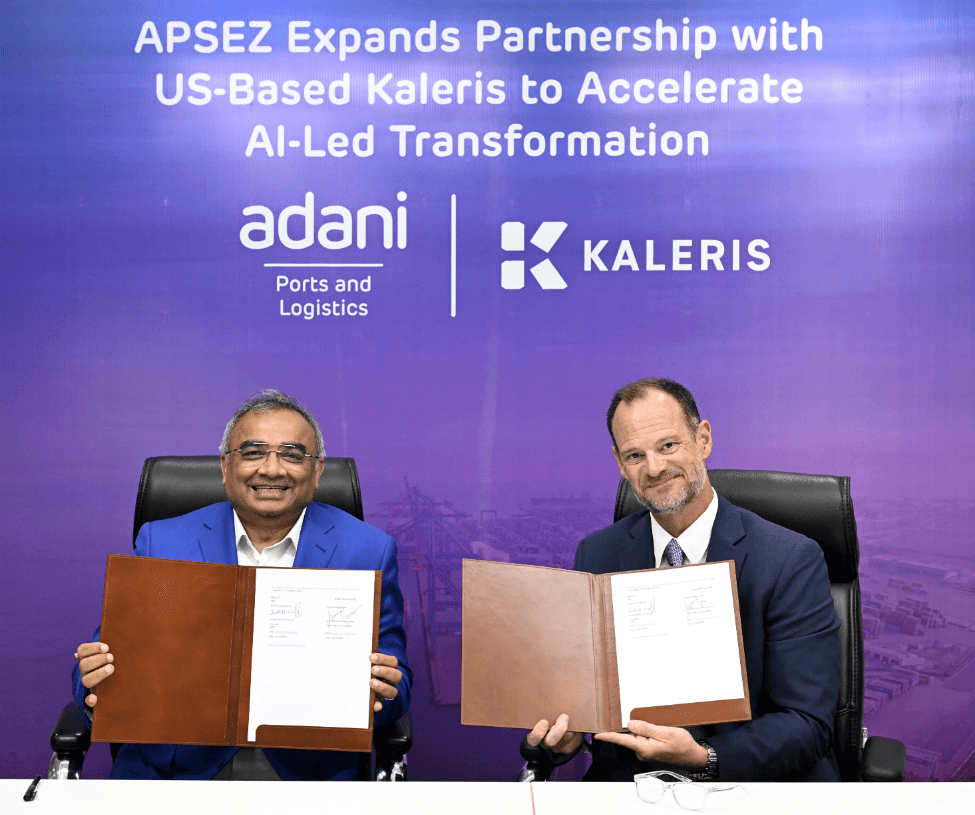
Adani Ports and Special Economic Zone (APSEZ) has announced an expanded partnership with Kaleris to deploy advanced digital and AI-driven capabilities across its extensive network of container terminals. This strategic move is designed to support APSEZ's long-term objectives for 2030, which encompass an US$850 million investment dedicated to decarbonization efforts and technological enhancements. A key operational goal is to achieve an annual cargo throughput of one billion tonnes.
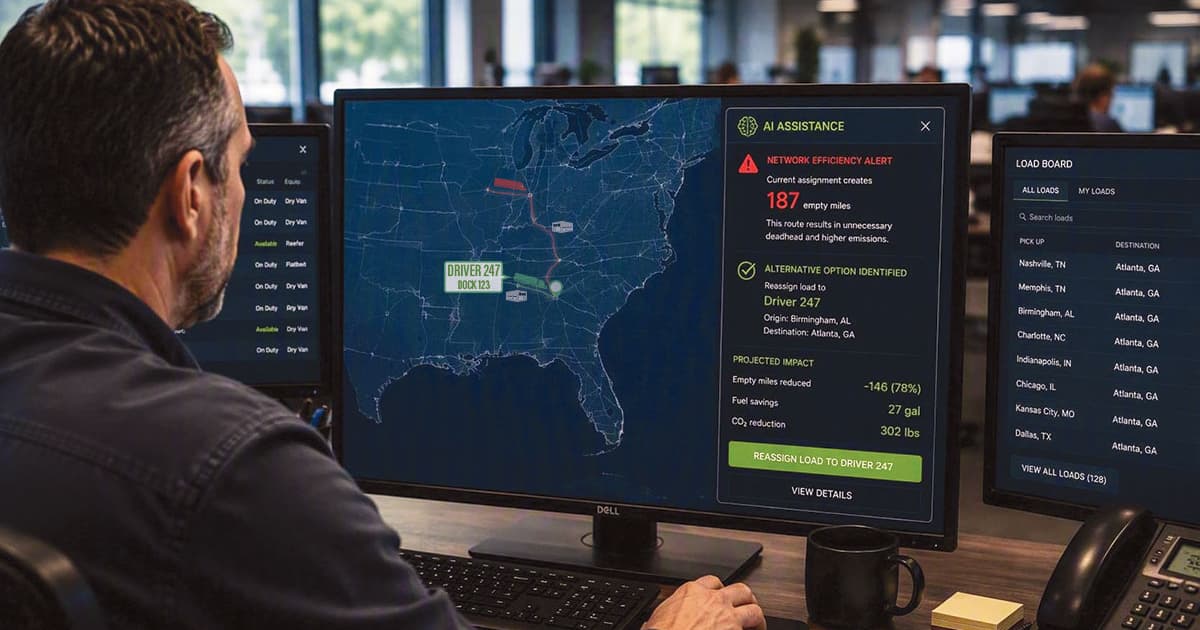
This initiative builds upon existing collaborations and aims to leverage artificial intelligence to optimize various aspects of terminal operations, from vessel scheduling and yard management to gate processes. The integration of these technologies is expected to streamline workflows, reduce manual intervention, and enhance overall efficiency across APSEZ's 15 container ports.
For freight forwarders and shippers, this expansion of AI-driven operations at APSEZ ports could translate into several benefits. Improved operational efficiency may lead to faster vessel turnaround times, reduced port congestion, and more predictable cargo flows. This could positively impact supply chain reliability and potentially lower demurrage and detention costs. Enhanced digital capabilities might also offer better real-time visibility into cargo status and terminal operations, aiding in more effective planning and decision-making for logistics managers.
While the article does not specify immediate next steps, the ongoing deployment suggests a phased rollout across the various terminals. The focus on both technological upgrades and decarbonization indicates a commitment to modernizing port infrastructure while addressing environmental sustainability.