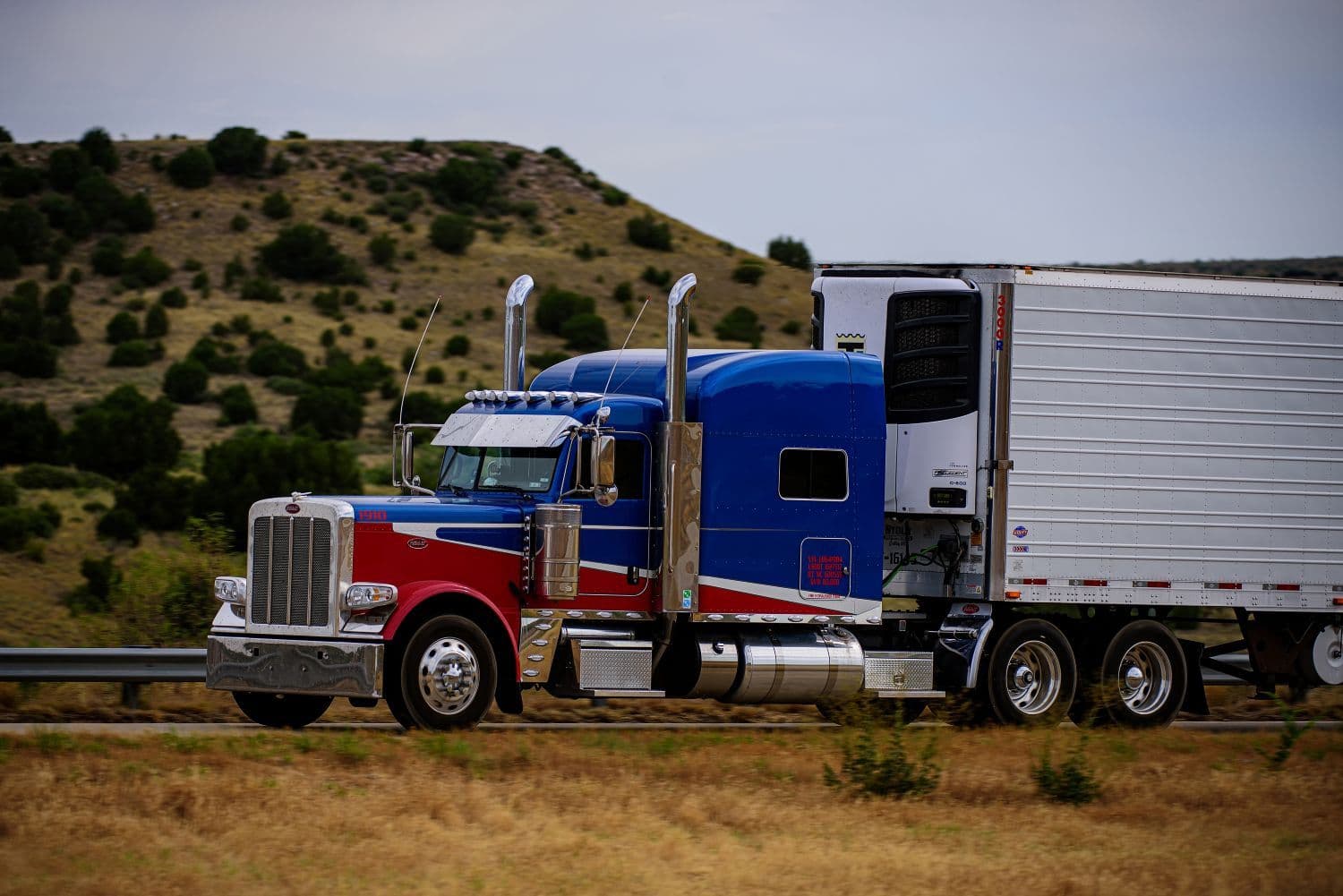
A 25% tariff on imported medium and heavy-duty trucks and their associated parts, implemented via a presidential proclamation under Section 232 of the Trade Expansion Act of 1962, has resulted in higher expenses for truck maintenance and repairs. This tariff, which became effective on November 1, targets Class 3 through Class 8 vehicles, along with critical components such as engines, transmissions, tires, and chassis parts. However, parts originating from Mexico that comply with USMCA regulations are exempt from this tariff.
This measure was signed into law on October 17, 2025, by President Trump. The Section 232 authority allows the President to impose tariffs on imports deemed a threat to national security. While the immediate focus is on the cost impact, the broader implications for the domestic manufacturing of these parts and vehicles could be significant.
For freight forwarders and logistics operations managers, this tariff translates directly into increased operational costs for their road transport fleets. The higher price of replacement parts means that maintaining trucks will become more expensive, potentially leading to higher freight rates to offset these costs. Shippers may experience a slight uptick in domestic road freight pricing as carriers pass on these elevated maintenance expenses. Furthermore, the availability and lead times for certain imported parts could be affected, necessitating more strategic inventory management for repair shops and fleet operators.