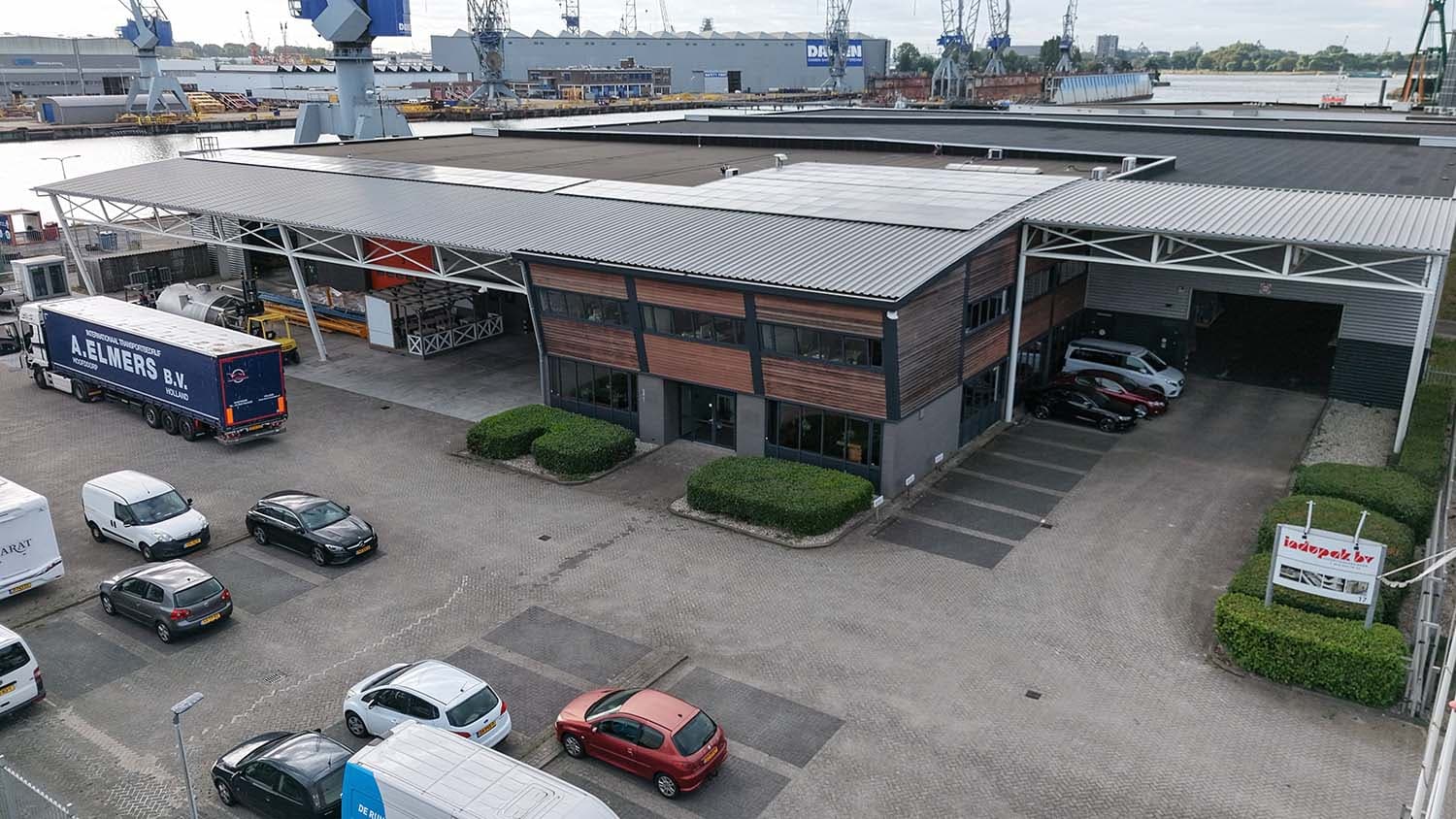
Logistics companies, freight carriers, and port authorities throughout the United States are currently allocating substantial capital towards developing new infrastructure projects. This wave of investment is a proactive measure to accommodate projected long-term increases in supply chain activity and freight volumes.
For freight forwarders and operations managers, these infrastructure upgrades signal potential improvements in network efficiency and capacity. Expanded facilities at ports and new logistics hubs could lead to reduced transit times, fewer bottlenecks, and more reliable service, particularly for inland distribution. While immediate rate impacts may not be evident, increased capacity generally contributes to greater stability in pricing over the long term. Forwarders should monitor specific project completions to identify new routing options or improved intermodal connections that could benefit their clients.