The United States and Iran are reportedly close to finalizing an agreement that would extend their existing ceasefire by an additional 60 days. This arrangement, as reported by Axios, citing a U.S. official, also encompasses the reopening of the Strait of Hormuz to commercial maritime traffic. Furthermore, the proposed deal would permit Iran to resume its oil exports without current restrictions.
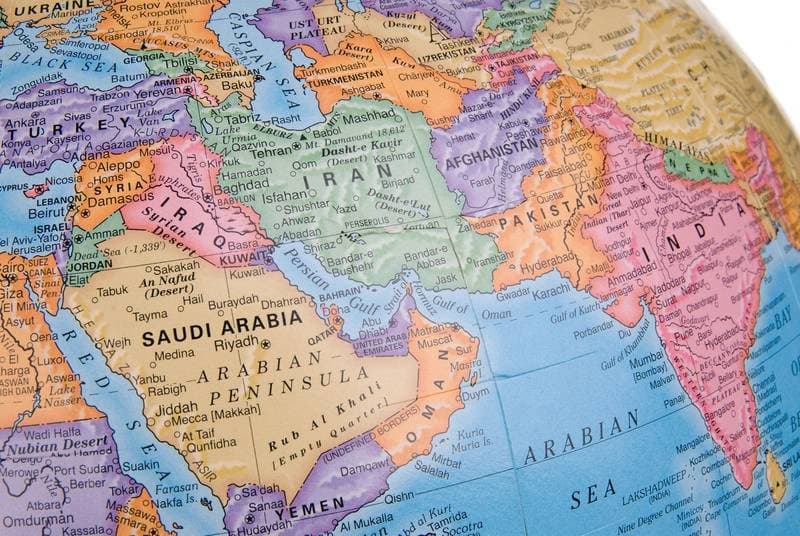
This development suggests a potential de-escalation of tensions in a critical global shipping lane. The Strait of Hormuz is a vital chokepoint for international oil shipments and other commercial cargo, connecting the Persian Gulf to the open ocean.
For freight forwarders and shippers, the reopening of the Strait of Hormuz to unrestricted commercial shipping would significantly reduce geopolitical risk and uncertainty in a key maritime corridor. This could lead to more stable transit times and potentially lower insurance premiums for vessels operating in the region. The ability for Iran to resume unrestricted oil exports might also influence global oil prices and, consequently, bunker fuel costs for carriers, which could indirectly affect freight rates.
While details remain unconfirmed, the reported progress indicates a move towards greater stability in a region that has historically experienced significant maritime security concerns.