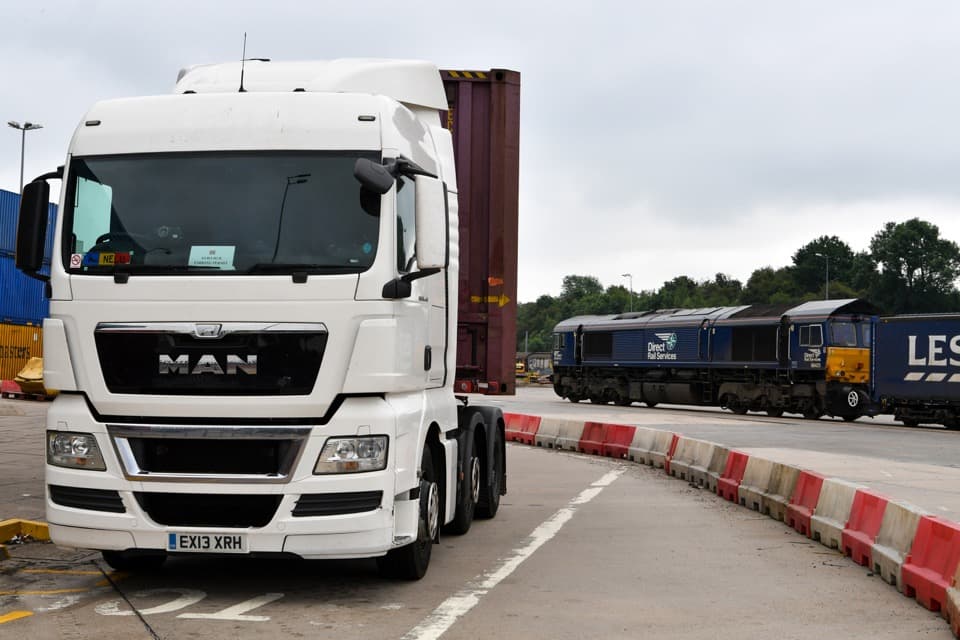
The UK government has introduced a new cost-of-living package, which includes a year-long freeze on fuel duty for road hauliers. This initiative is intended to provide financial relief to the logistics sector, particularly benefiting the trucking industry by stabilizing operational costs.
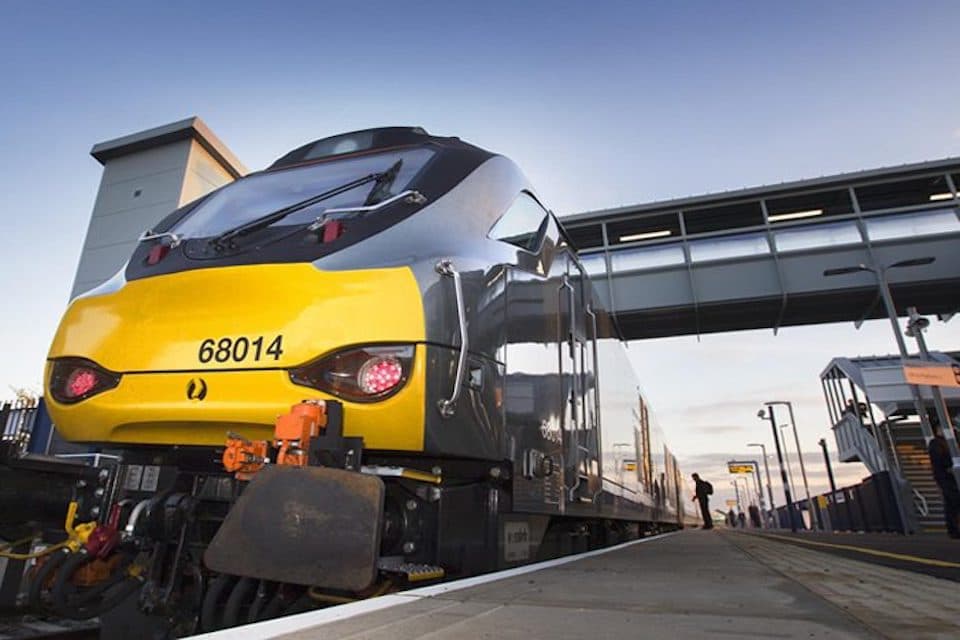
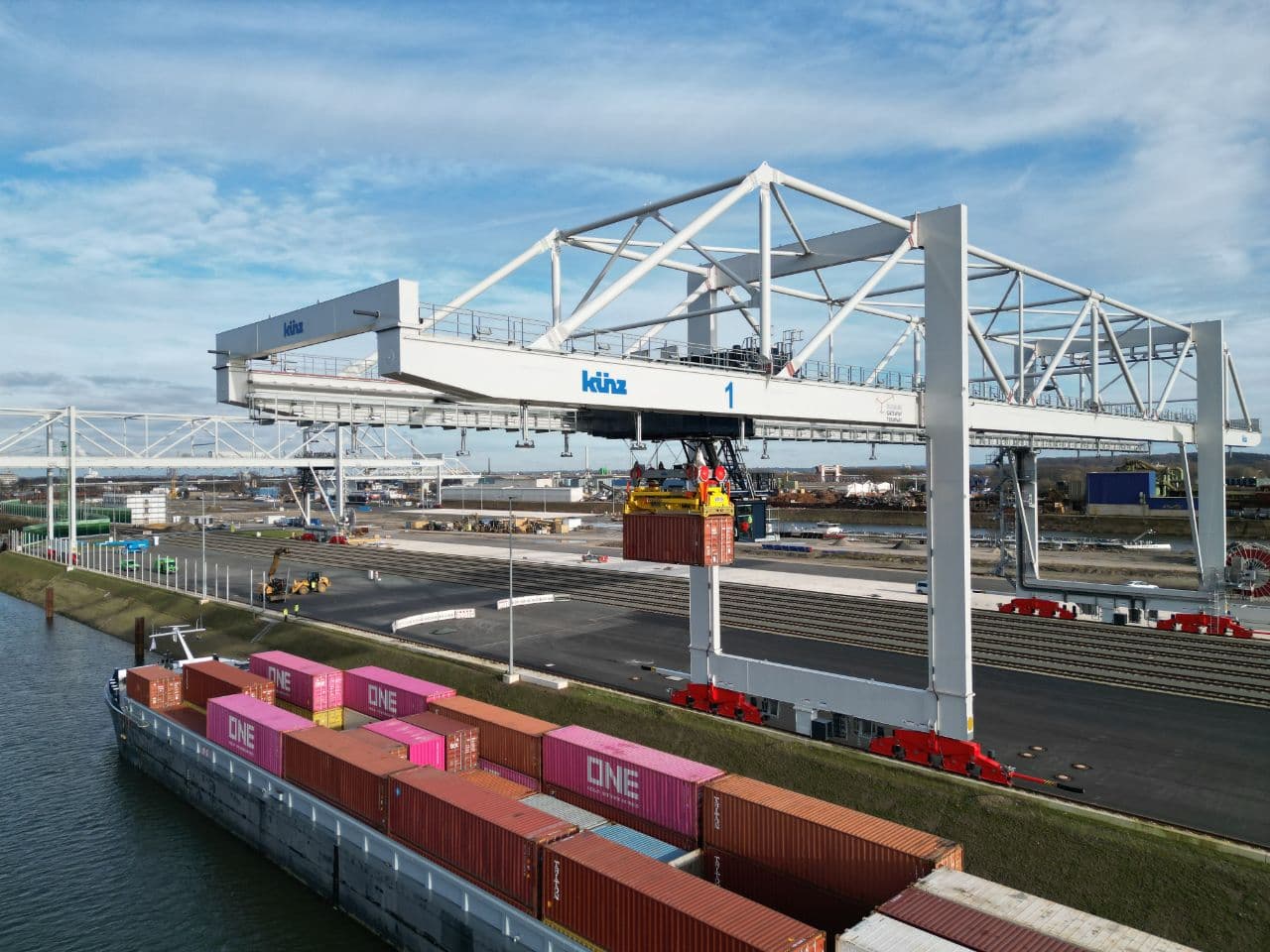
However, this policy has generated apprehension within the UK's rail freight sector. Industry stakeholders are concerned that by making road transport more economically attractive, the government's measure could inadvertently undermine efforts to promote modal shift from road to rail. The relative cost advantage for road haulage might deter shippers from choosing rail freight, despite its environmental benefits and potential for reducing road congestion.
For freight forwarders and operations managers, this development suggests a potential shift in domestic transport economics. The freeze on fuel duty for road transport could lead to more competitive pricing for trucking services, potentially influencing routing decisions for UK-bound and domestic shipments. Forwarders might see increased pressure to utilize road transport for cost-sensitive cargo, which could impact capacity planning and lead times on rail networks. It also highlights the ongoing challenge of balancing economic relief with long-term sustainability goals in the logistics sector.
While the immediate impact is a cost benefit for road operators, the long-term implications for rail freight's growth and its role in decarbonizing supply chains remain a key point of discussion.