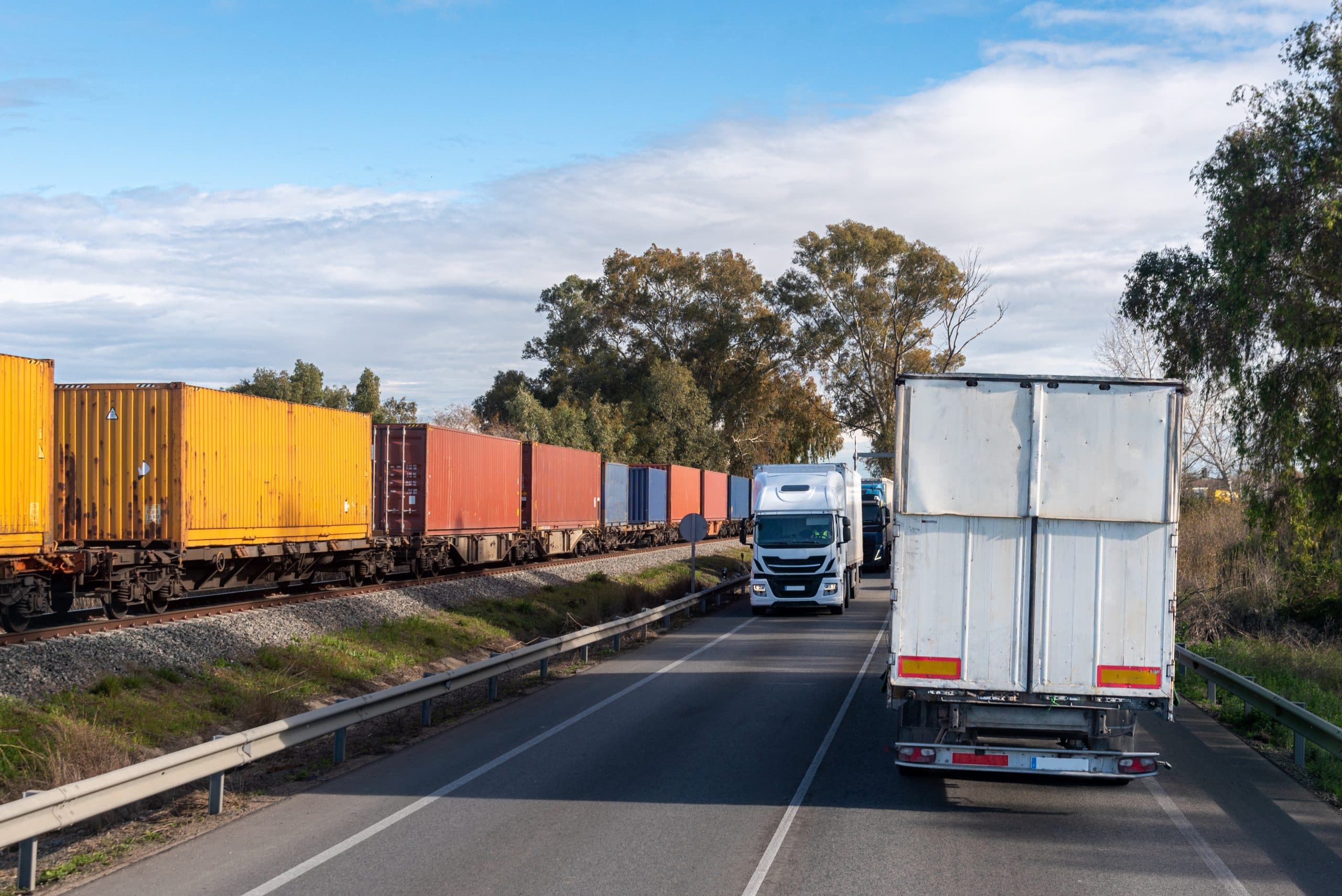
At the recent CT4EU Conference held in Brussels, key figures from the intermodal logistics sector convened under the theme 'It's time to combine' to address the ongoing competition between rail and road freight. The consensus among participants was that the core of this rivalry lies predominantly in funding structures and policy support, rather than inherent business model differences or operational capabilities. This perspective suggests that a level playing field in terms of financial incentives and infrastructure investment could significantly alter the competitive landscape.
The discussions highlighted the need for strategic interventions to promote intermodal solutions. Experts emphasized that while both modes have distinct advantages, the current regulatory and financial frameworks often favor road transport, making it challenging for rail to compete effectively on certain routes or for specific cargo types. The conference aimed to foster collaboration and identify actionable steps to overcome these barriers.
For freight forwarders and logistics professionals, this dialogue underscores the importance of advocating for policy changes that support intermodal growth. A shift in funding priorities could lead to more competitive rail freight rates, improved transit times, and enhanced capacity, particularly for long-haul routes. This could enable forwarders to offer more diverse, sustainable, and potentially cost-effective transport options to their clients, reducing reliance on road-only solutions and mitigating supply chain risks associated with driver shortages or road congestion.
While the conference did not detail specific immediate policy changes, it set a precedent for continued industry engagement with policymakers. Future developments are expected to focus on harmonizing regulations, optimizing infrastructure use, and exploring innovative financing models to bolster the competitiveness of rail and intermodal transport across Europe.