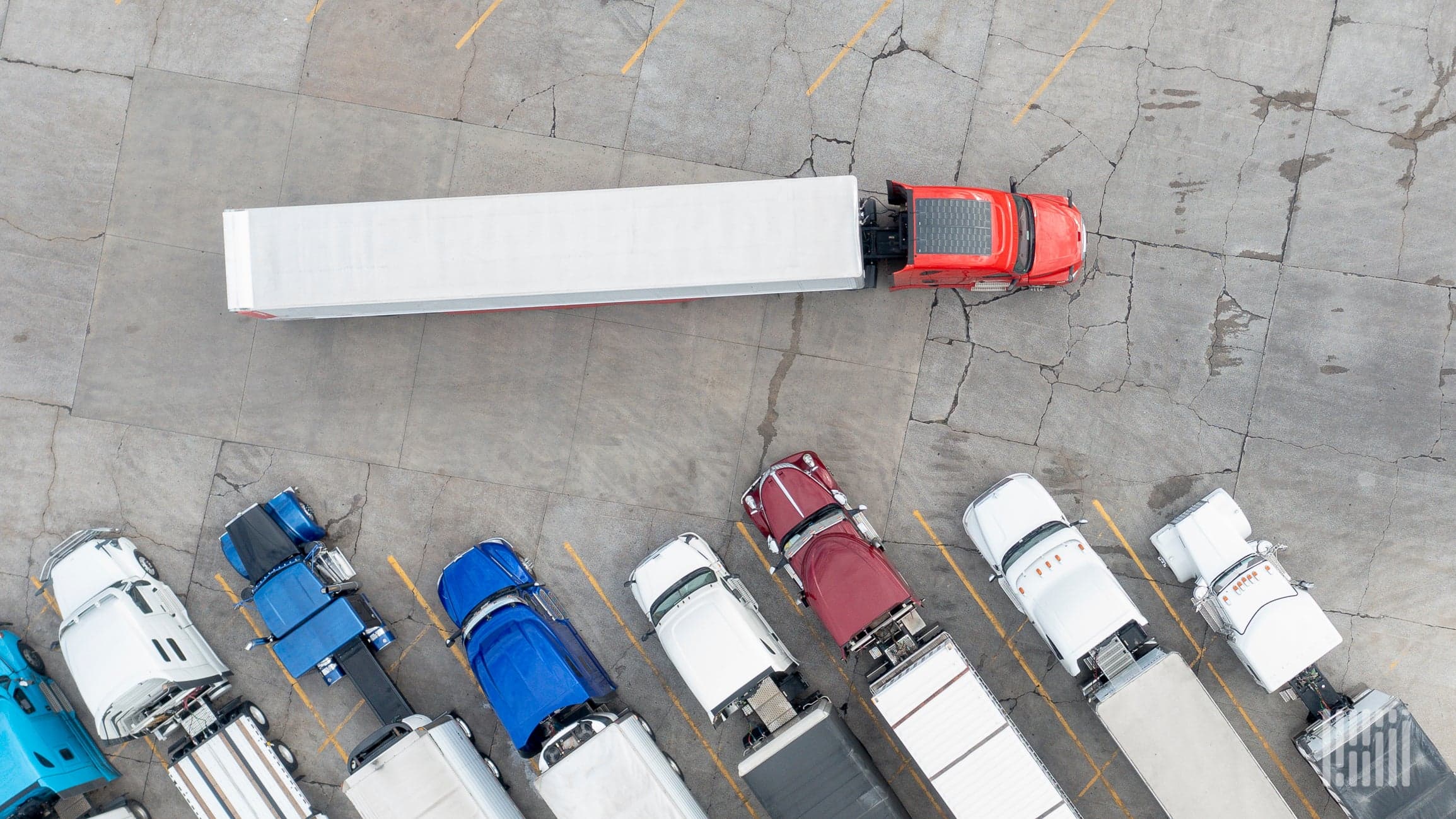
Executives from the Truckload Carriers Association, PepsiCo, and Stevens Transport have highlighted the critical need for trucking fleets to accelerate their adoption of safety technology and artificial intelligence. They assert that companies integrating these advancements will be better positioned to withstand growing operational challenges within the industry.
This push for adaptation comes as the trucking sector faces a confluence of factors, including evolving regulatory frameworks, increasing demands for efficiency, and persistent labor issues. The integration of AI and advanced safety systems is seen as a strategic imperative, not merely an operational upgrade.
For freight forwarders and operations managers, this trend signifies a potential shift in carrier selection criteria. Forwarders may increasingly prioritize carriers that demonstrate technological sophistication, particularly in safety and efficiency, as this can translate to more reliable service, reduced transit risks, and potentially more competitive pricing due to optimized operations. It also suggests that carriers failing to adapt might struggle with compliance and operational costs, potentially impacting their service quality and capacity offerings. Shippers might also benefit from improved transparency and predictability in their road freight movements.
While the article does not specify immediate next steps, the implication is that industry stakeholders will continue to advocate for and develop solutions that leverage technology to address these challenges, pushing for broader adoption across the trucking sector.