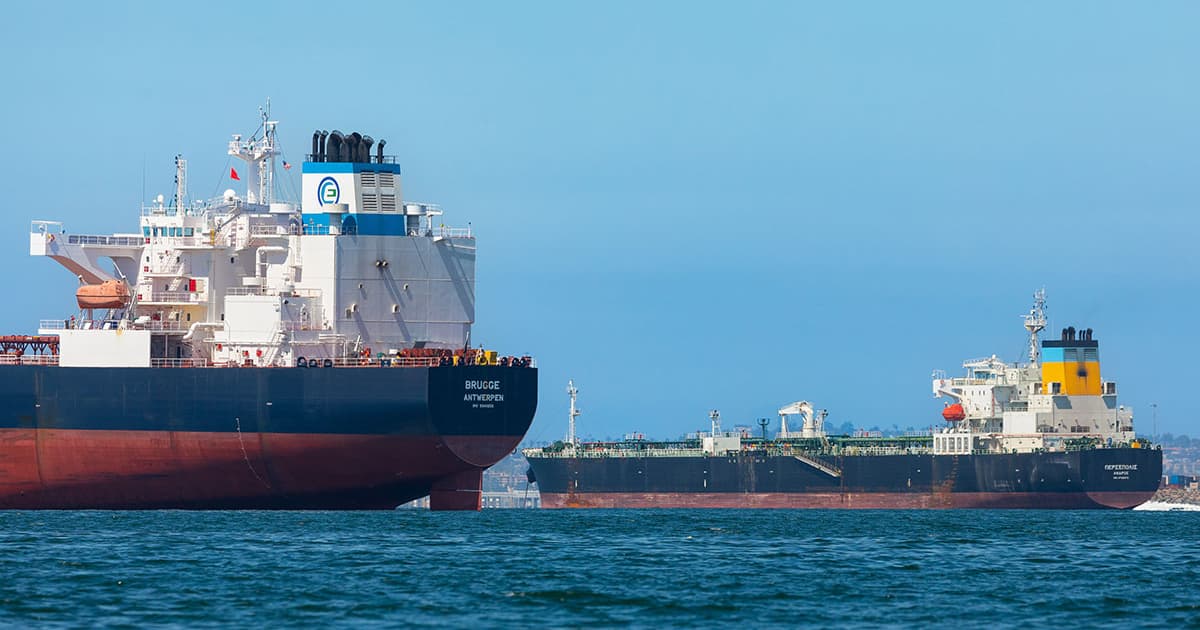
AXSMarine has released an analysis of shipping movements through the Strait of Hormuz, covering the period from March 1 to April 21, 2026. This data provides a detailed look at how the strait has functioned and which shipping entities have continued to use it in the weeks following a regional conflict and subsequent ceasefire. The report builds upon earlier observations that noted a significant reduction in Gulf shipping activity at the conflict's outset.
For freight forwarders and operations managers, this data offers crucial insights into the perceived security and operational viability of the Strait of Hormuz. Understanding the willingness of carriers to transit this chokepoint directly impacts route planning, transit times, and potential war risk premiums. A sustained return to regular traffic patterns could signal increased stability, potentially leading to more predictable schedules and a reduction in associated insurance costs. Conversely, any hesitancy or rerouting by major carriers would necessitate alternative strategies, impacting supply chain resilience and potentially increasing freight costs.