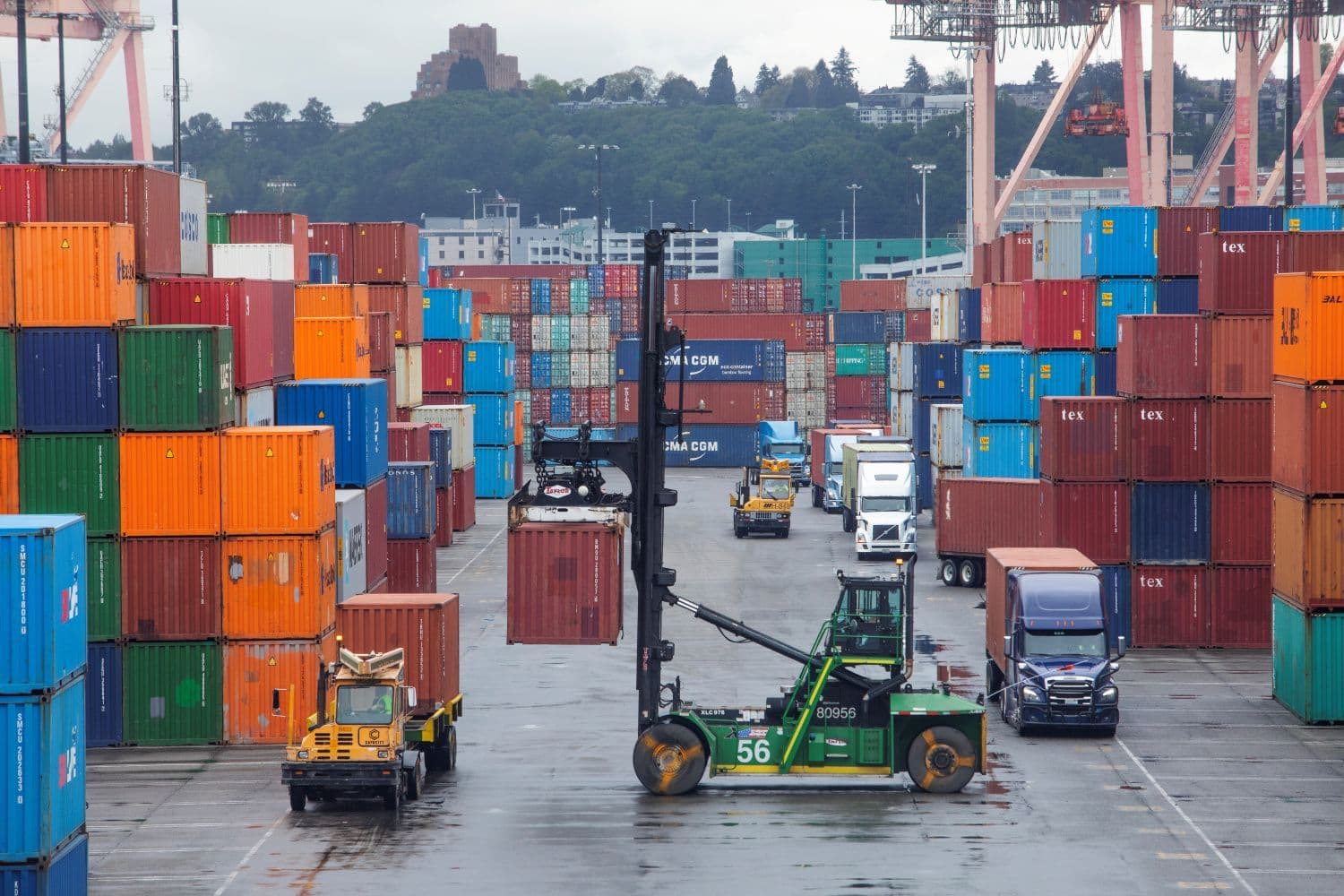
The Northwest Seaport Alliance (NWSA), which manages port operations for Seattle and Tacoma, is evaluating a transition towards a hybrid landlord-operating port model. This comes after the alliance reported a difficult first quarter marked by a decrease in container throughput. The proposed model seeks to combine the strengths of traditional landlord ports, which primarily own infrastructure and lease it to private operators, with those of operating ports, which directly manage terminal operations and services. The goal is to create a more responsive and efficient system to better cater to the needs of both export and import customers.
For freight forwarders and operations managers, this potential shift could lead to several implications. A hybrid model might result in more streamlined decision-making and potentially improved service levels if the NWSA gains greater control over terminal efficiency and resource allocation. This could translate into faster vessel turnarounds, reduced dwell times for containers, and more predictable cargo movements, which are critical for supply chain planning and schedule reliability. Conversely, any transitional period could introduce temporary adjustments to existing operational procedures. Forwarders should monitor developments closely for changes in port policies, fee structures, or service offerings that might impact routing decisions or lead times for shipments through the Pacific Northwest.