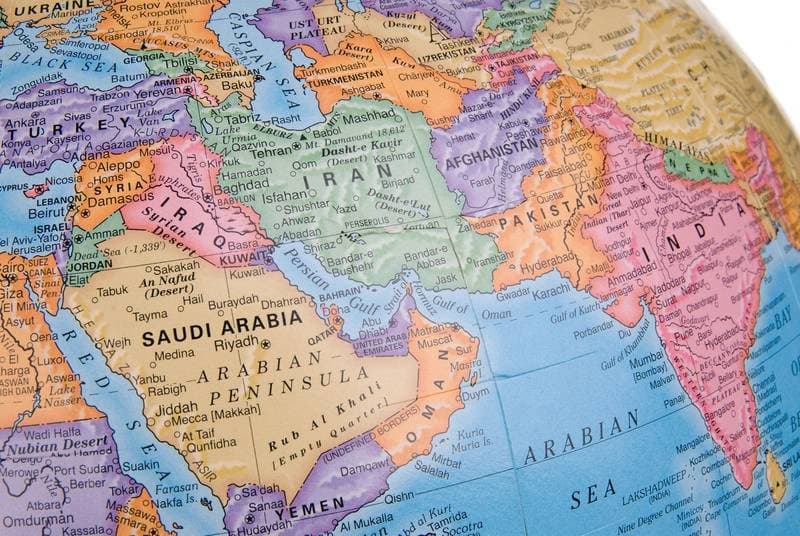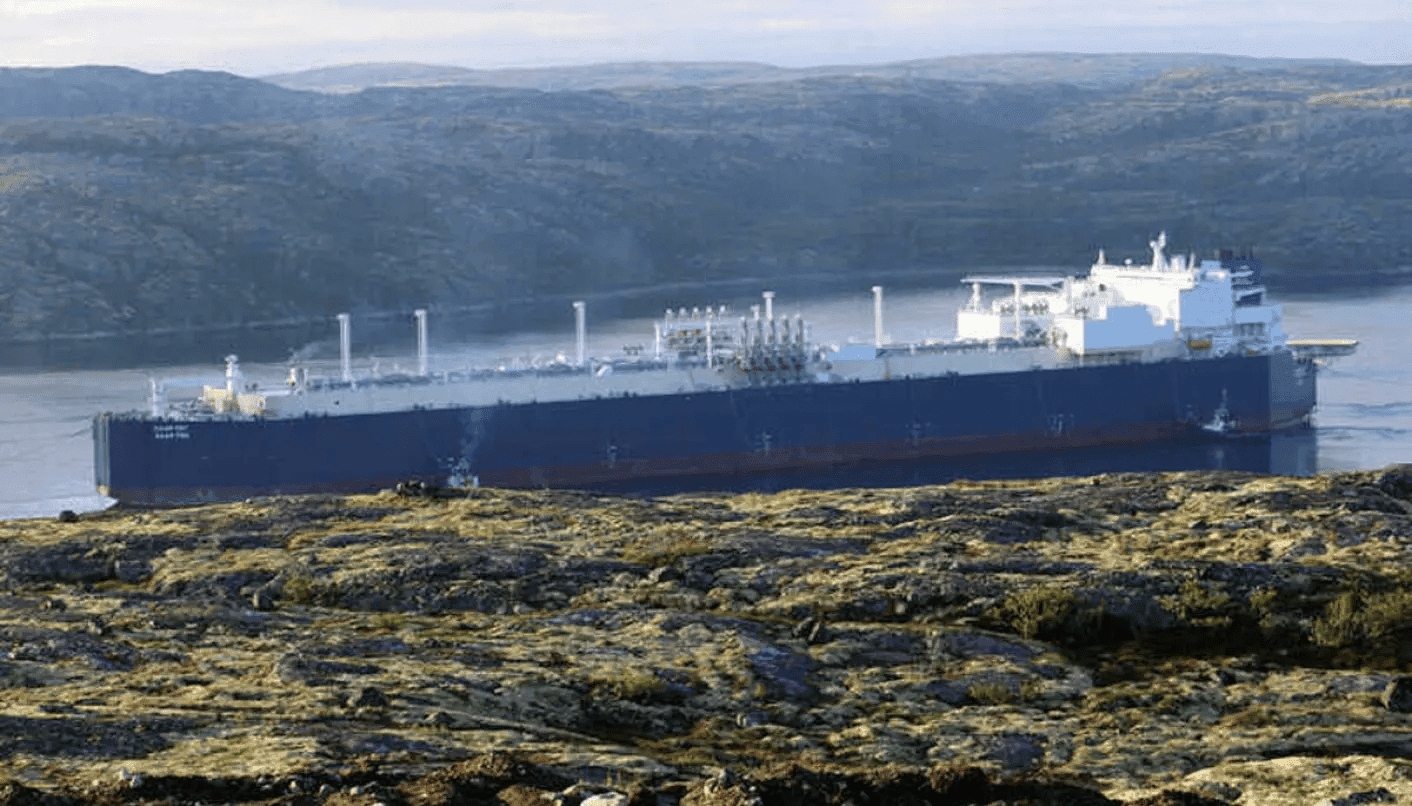
Four liquefied natural gas (LNG) tankers, which were previously engaged in servicing Oman's export terminal, have commenced operations loading fuel from a Russian project that is currently under US sanctions. This development signals Russia's ongoing efforts to enhance its LNG export capabilities and navigate around Western restrictions.
This expansion of Russia's tanker fleet for LNG exports suggests a strategic maneuver to maintain and potentially increase its presence in the global energy market despite geopolitical pressures. The shift of these vessels from Omani operations to Russian projects highlights the adaptability of shipping assets in response to evolving market demands and political landscapes.
For freight forwarders and supply chain analysts, this situation implies potential shifts in LNG shipping patterns and increased complexity in tracking vessel movements, especially for those involved in energy commodities. The use of vessels previously in other trades for sanctioned Russian projects could lead to heightened scrutiny of vessel ownership and operational histories. It may also influence insurance premiums and routing decisions for carriers and shippers seeking to avoid secondary sanctions or reputational risks. The availability of more tankers for Russian LNG could stabilize or even increase export volumes, potentially affecting global LNG prices and the balance of supply and demand.
While the immediate next steps are not detailed in the source, it is likely that Russia will continue to explore various avenues to optimize its energy exports, potentially involving further fleet acquisitions or reassignments to mitigate the impact of sanctions.