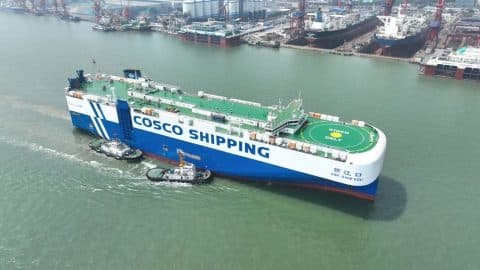
Ro-ro shipping companies are modifying their operational strategies in the Middle East, opting to use Omani ports more frequently. This adjustment is a direct response to the sustained disruptions and restrictions affecting vessel movements through the Strait of Hormuz. Shipping analyst Esgian's data indicates a notable increase in activity at Omani ports during March and April, coinciding with the continued limitations on transits through Hormuz.
This strategic pivot suggests that ro-ro operators are not anticipating a swift resolution to the issues in the Strait of Hormuz. Instead, they are actively reconfiguring regional trade patterns to ensure continuity of service and minimize delays.
For freight forwarders and operations managers, this development means potential changes in routing for ro-ro cargo destined for or originating from the Middle East. Shipments that traditionally passed through the Strait of Hormuz may now be routed via Omani ports, potentially impacting transit times, feeder arrangements, and local logistics costs. Forwarders should verify specific carrier schedules and port calls to understand the implications for their clients' cargo.
While the source does not specify future actions, the current trend suggests that this adaptation to Omani ports may become a more established practice if Hormuz disruptions persist. Forwarders should monitor the situation closely for any further shifts in carrier strategies or port preferences in the region.