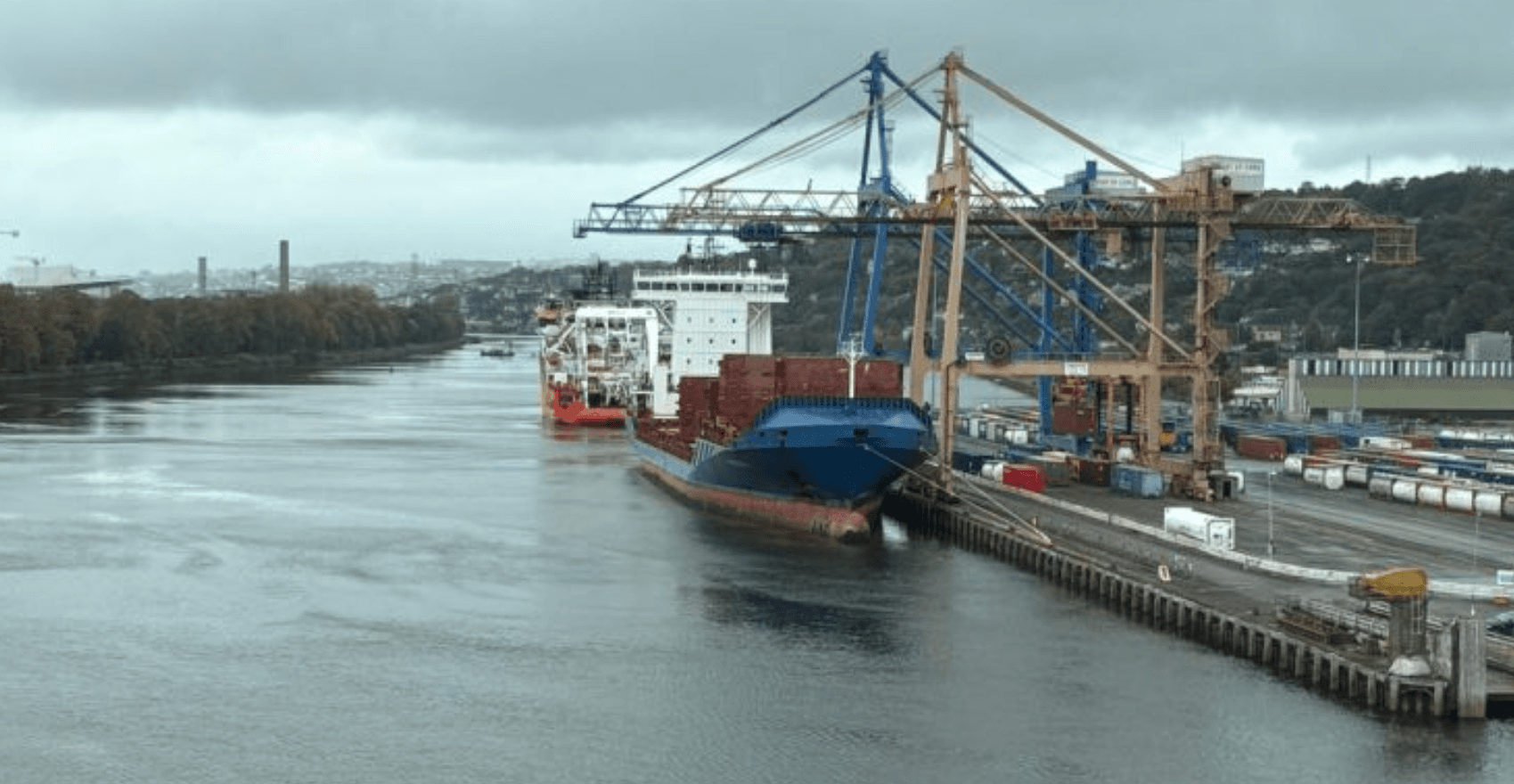
The Port of Cork is actively pursuing its "River to Sea" strategy, which involves relocating certain port operations further downstream. This strategic shift is primarily driven by the escalating requirements of the offshore wind energy sector, which demands specialized infrastructure and deeper berths for handling large components.
This initiative is part of a broader effort to bolster Ireland's maritime infrastructure and expand its trade capabilities, particularly in managing project cargo. The port's development also focuses on ensuring continuous, 24/7 operational readiness to support the evolving demands of the logistics and shipping industries.
For freight forwarders and operations managers, this development signifies enhanced capacity for handling oversized and heavy-lift components crucial for offshore wind projects. It may lead to new routing options for project cargo destined for Ireland's burgeoning renewable energy sector. The improved infrastructure and 24/7 operations could also contribute to greater efficiency and reduced turnaround times for specialized shipments, potentially impacting project timelines and costs.