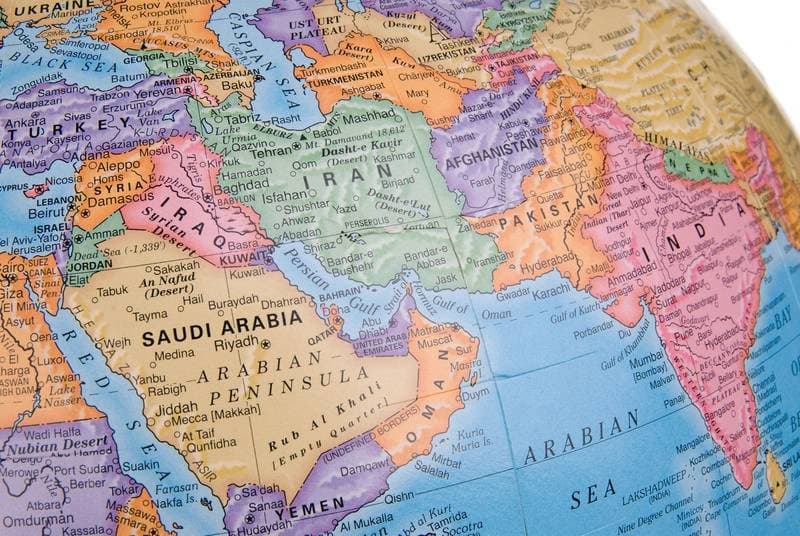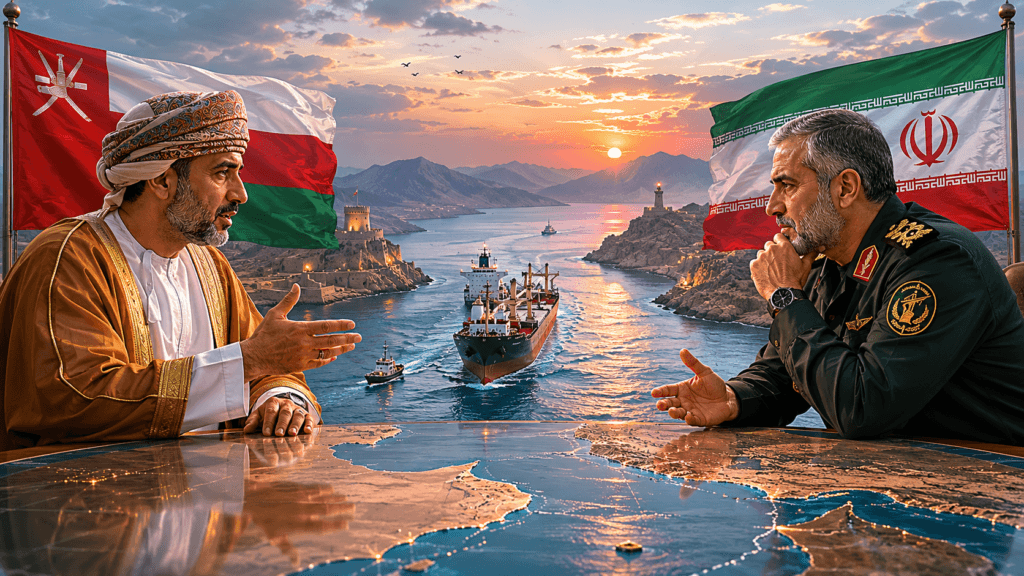
Oman is positioned at a crucial juncture within the Strait of Hormuz, playing a significant role in the ongoing dynamics of the region. The nation's strategic decisions will be instrumental in shaping the future of the Persian Gulf Shipping Agreement (PGSA) toll regime. This agreement could either become a temporary crisis management tool or evolve into a permanent aspect of global maritime governance, impacting shipping operations through this vital waterway.
Oman's involvement is not that of a neutral party; rather, it has made deliberate strategic choices that will influence the outcome. The country's next actions are expected to determine the longevity and scope of the PGSA toll system.
For freight forwarders and shippers, the implications are substantial. If the PGSA toll regime becomes permanent, it could introduce new, consistent transit costs for vessels passing through the Strait of Hormuz. This would necessitate adjustments in budgeting and potentially affect pricing strategies for cargo moving to and from the Persian Gulf. Furthermore, any shifts in regional maritime governance could impact vessel routing, transit times, and insurance premiums, requiring forwarders to stay informed and adapt their operational plans accordingly to mitigate risks and manage client expectations.