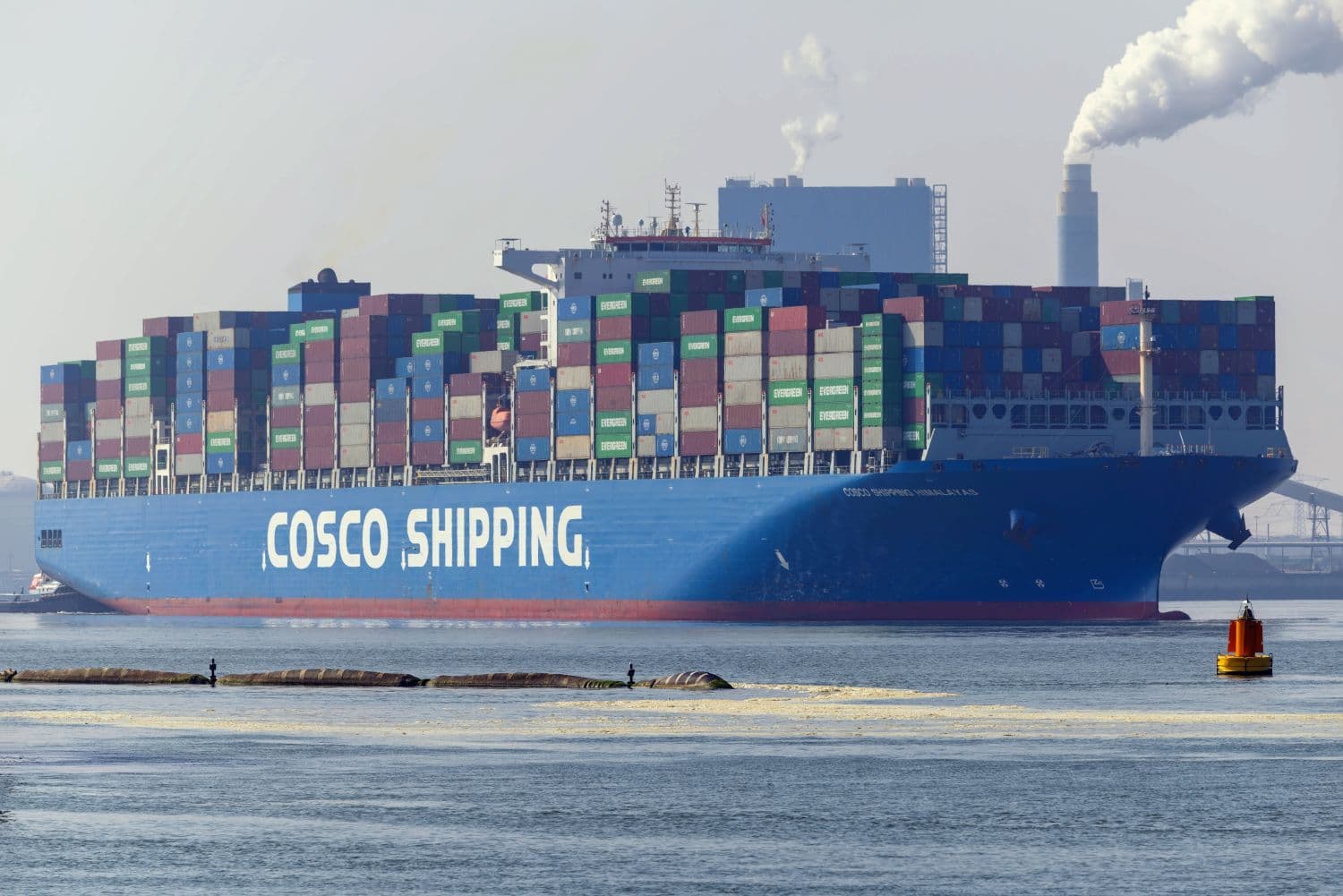
The recent collapse of the Francis Scott Key Bridge in Baltimore has resulted in insured losses estimated at over $2.8 billion, making it the largest marine insurance claim on record. This incident surpasses the previous benchmark set by the Costa Concordia in 2012. This significant event has brought into sharp focus the increasing complexities and financial exposures within the marine insurance sector.
Beyond singular catastrophic events, the marine insurance industry is grappling with the proliferation of 'dark fleets' – vessels that intentionally disable their Automatic Identification System (AIS) to avoid detection. These fleets are often involved in illicit activities, sanctions evasion, or operate in high-risk zones without proper oversight, making them virtually untraceable for traditional monitoring methods. This lack of transparency poses a substantial challenge for underwriters attempting to accurately assess risk, manage claims, and ensure compliance.
For freight forwarders and logistics professionals, these developments mean increased scrutiny on vessel selection and potential difficulties in securing adequate cargo insurance for shipments on less transparent carriers. The heightened risk environment could lead to higher premiums, stricter policy terms, and a greater need for due diligence in vetting shipping partners. The inability to track vessels reliably also impacts supply chain visibility and contingency planning, potentially causing delays and operational disruptions.
Moving forward, the marine insurance industry is expected to push for enhanced data analytics, satellite tracking technologies, and collaborative efforts with regulatory bodies to improve transparency and mitigate the risks associated with dark fleet operations and other complex maritime incidents.