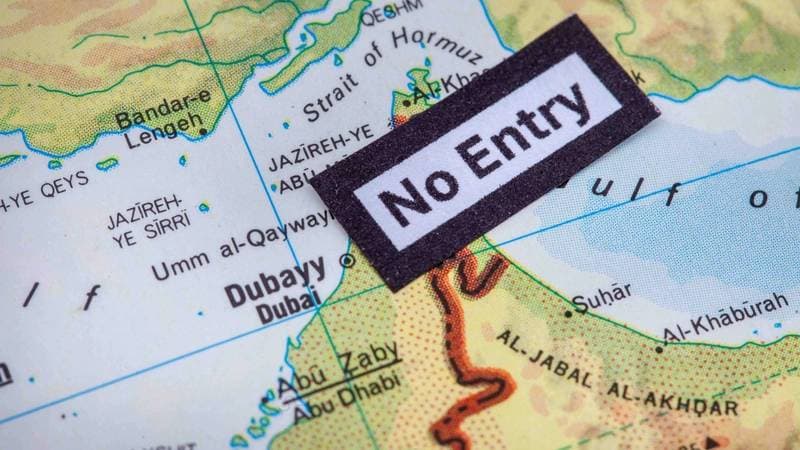
Iran has published a new map that claims its control over the Strait of Hormuz, a move that is expected to worsen the already difficult situation for thousands of seafarers currently trapped on vessels within the Gulf. This declaration amplifies existing geopolitical tensions in the region, which have previously led to vessel detentions and restrictions on maritime movement.
The Strait of Hormuz is a critical chokepoint for global oil and gas shipments, and any assertion of increased control by Iran can directly impact the flow of maritime traffic. The ongoing situation has already resulted in approximately 20,000 seafarers being stranded on around 2,000 ships in the Gulf, facing extended periods away from home and potential human rights issues.
For freight forwarders and shippers, this development signals a potential for heightened operational risks and delays for cargo transiting the Strait of Hormuz. Increased scrutiny or enforcement actions by Iranian authorities could lead to longer transit times, potential diversions, and higher insurance premiums due to elevated geopolitical risks. Forwarders should monitor the situation closely and advise clients on possible disruptions to supply chains relying on this route. This could also impact vessel scheduling and capacity in the broader Middle East trade lanes.
While the source does not explicitly state what actions Iran might take next, the publication of the map suggests a potential for more assertive postures regarding maritime passage through the Strait, which could further complicate shipping operations.