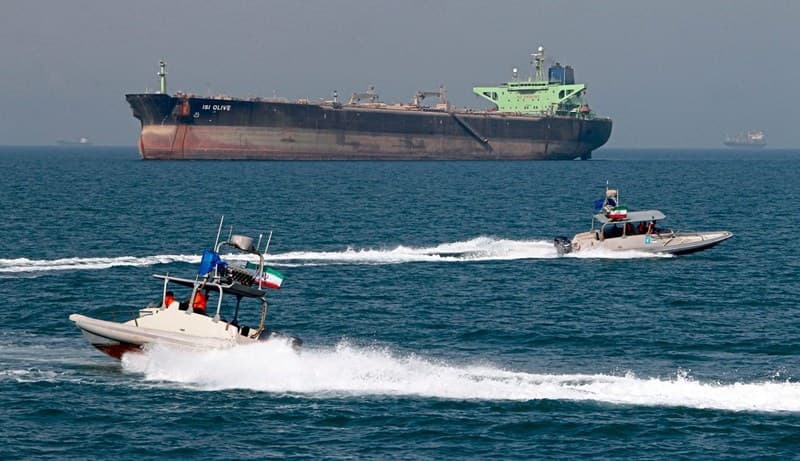
Iran is reportedly considering the implementation of tolls for ships navigating the Strait of Hormuz. This strategic waterway, vital for global oil shipments and international trade, has seen reduced traffic for over 80 days. The potential introduction of a transit fee by Iran aims to assert control over the strait and monetize its passage.
Historically, similar models of monetizing strategic waterways have been observed, such as the practices by kings in the Baltic Sea centuries ago. The current situation in the Strait of Hormuz reflects a modern-day parallel where a nation seeks to leverage its geographical position for economic and geopolitical advantage.
For freight forwarders and shippers, the imposition of tolls in the Strait of Hormuz would likely lead to increased operational costs. These additional expenses would likely be passed on to cargo owners, potentially affecting freight rates for routes utilizing this strait. Furthermore, such a development could prompt a re-evaluation of shipping routes and lead to longer transit times if alternative, more expensive, or less direct paths are sought to avoid the tolls. The uncertainty surrounding the strait's accessibility and potential new charges adds complexity to logistics planning and risk assessment for international shipments.
The article does not specify immediate next steps or a timeline for Iran's potential implementation of these tolls, nor does it detail the US's specific objections beyond a general disagreement with Iran's desire for control.