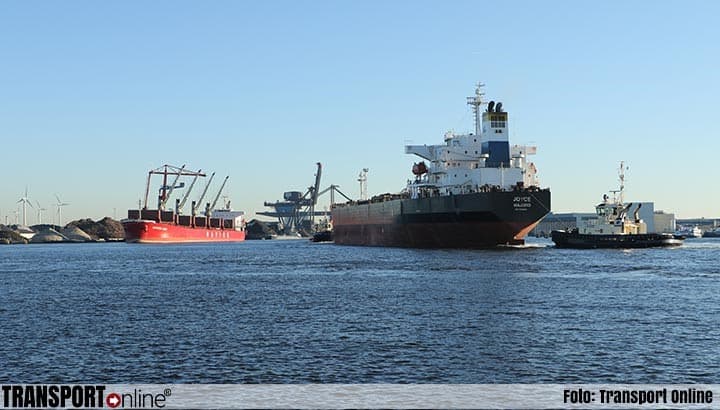
Ports worldwide are under increasing pressure to significantly reduce emissions and enhance air quality within their operational areas. While electrification programs have made strides, many vessels continue to rely on their auxiliary engines while docked, contributing to local pollution.
Traditional shore power solutions often encounter limitations such as insufficient grid capacity, gaps in existing infrastructure, compatibility issues between vessels and port systems, or physical space constraints. These challenges hinder the widespread adoption of conventional cold ironing, preventing ports from fully achieving their decarbonization goals.
Floating hydrogen power units present a viable alternative to address these issues. These self-contained systems can generate electricity from hydrogen, providing a flexible and zero-emission power source directly where it is needed. This innovation can supply power to berthed vessels, terminal equipment, and other port operations, bypassing the limitations of land-based grid infrastructure. For freight forwarders and logistics managers, this technology could lead to cleaner port environments, potentially reducing port-related surcharges tied to emissions and improving operational efficiency by ensuring a reliable power supply for vessels during port calls. It also supports the broader industry shift towards sustainable shipping practices.
Looking ahead, the development and deployment of such innovative solutions are crucial for ports aiming to meet stringent environmental regulations and contribute to a greener maritime industry.