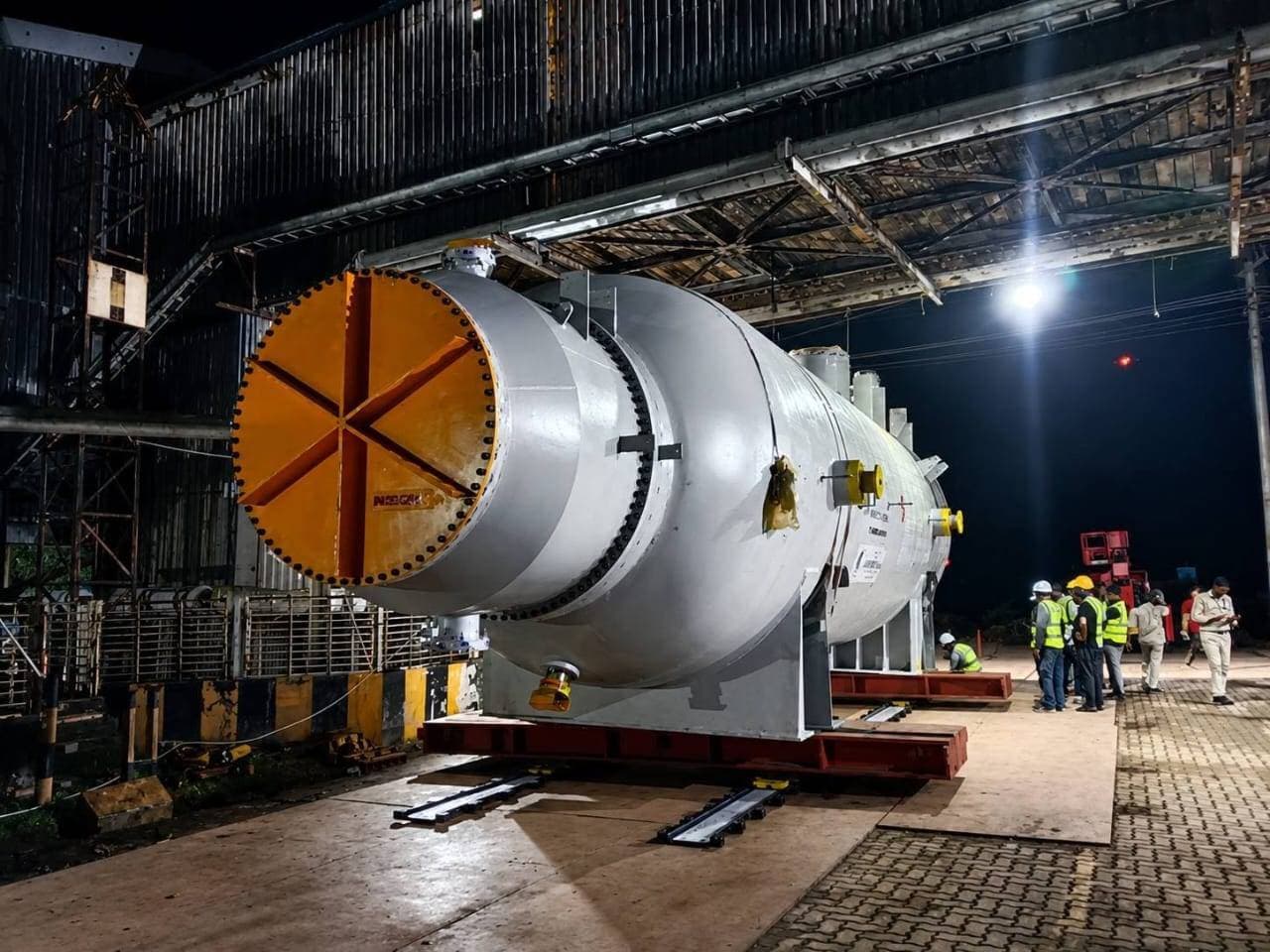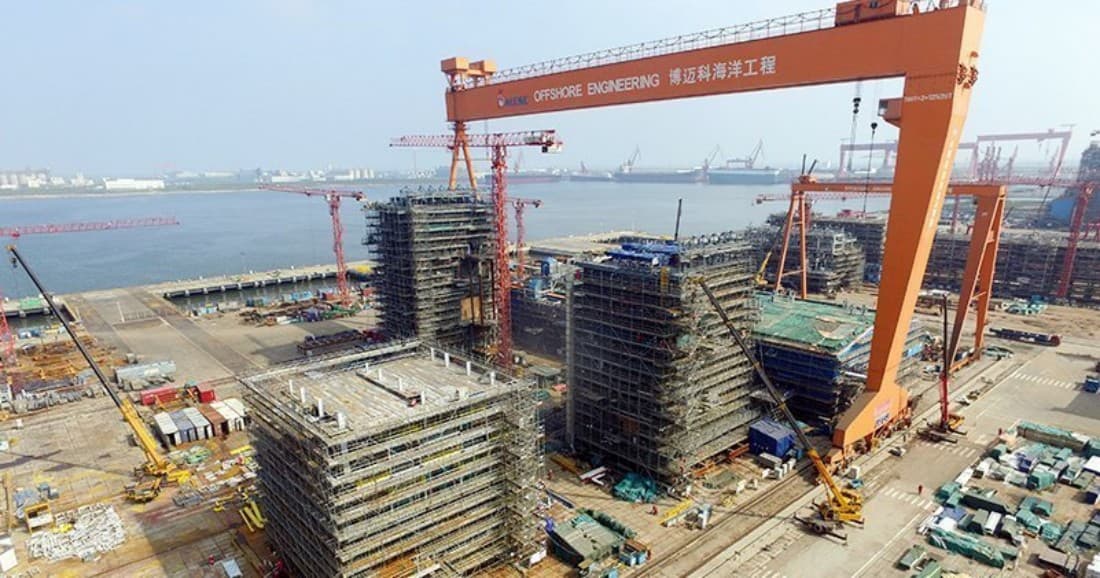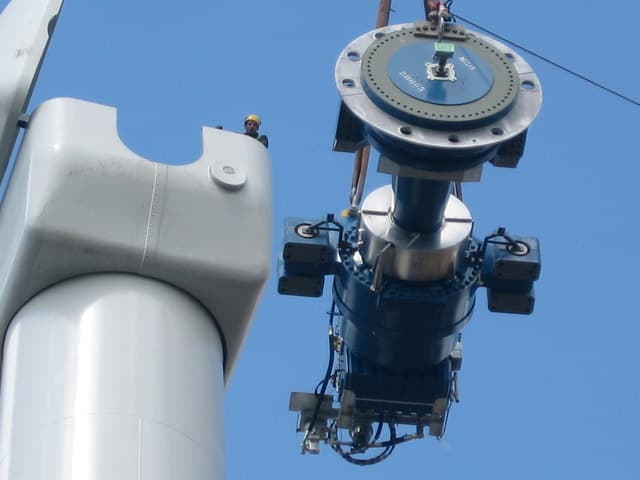
New European Union regulations designed to restrict steel imports are anticipated to influence the procurement and transportation of large industrial components, including structures for offshore wind farms and various industrial modules. These measures are part of a broader strategy to protect the EU's domestic steel industry from foreign competition.
This policy shift could force a re-evaluation of current supply chains for project cargo, especially for items heavily reliant on steel. Manufacturers and project developers might need to explore new sourcing options or adapt to potentially higher costs and extended delivery schedules.
For freight forwarders and logistics professionals, this development means a potential increase in complexity for breakbulk and project cargo movements into the EU. Forwarders should anticipate possible changes in routing, increased scrutiny on origin documentation, and a need to identify alternative manufacturing hubs or transportation methods. The cost of materials and shipping for these specialized components may rise, impacting project budgets and timelines. Understanding the specific criteria and exemptions within the new steel import framework will be crucial for effective planning and execution of future shipments.
While the full implications are still unfolding, stakeholders in the logistics and renewable energy sectors will need to monitor the implementation of these EU steel curbs closely to mitigate potential disruptions.