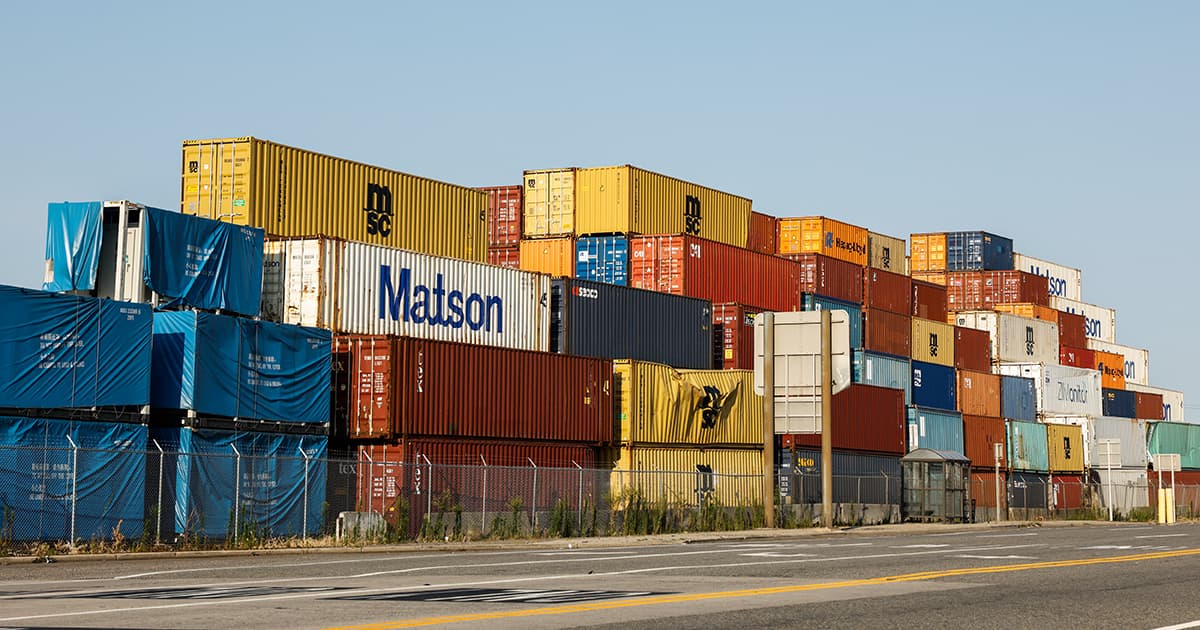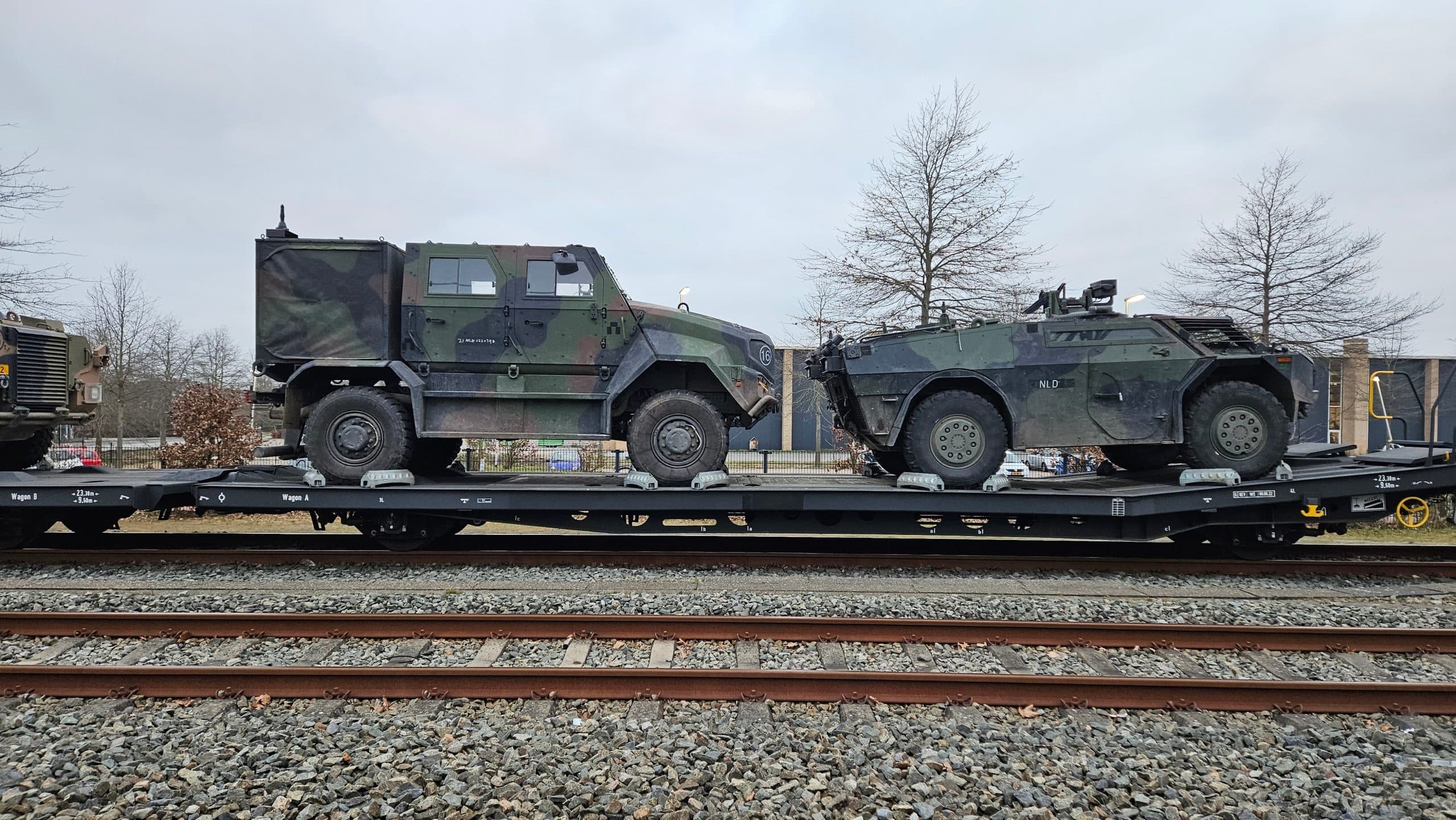
The European Union is actively working to improve its military logistics and mobility capabilities in response to ongoing global instability. This strategic focus aims to facilitate the efficient movement of military personnel and equipment across member states. The initiative is expected to drive significant investment in infrastructure, including upgrades to roads, railways, and ports, to support rapid deployment and resupply operations.
For freight forwarders and logistics professionals, this development could have several implications. While primarily military-focused, the improvements in European transport infrastructure may indirectly benefit commercial freight by enhancing overall network efficiency and capacity. Furthermore, increased emphasis on cross-border military movements might lead to streamlined customs procedures or dedicated corridors that could also be leveraged for certain types of commercial cargo, particularly those with dual-use potential. Forwarders handling project cargo or oversized shipments might see new opportunities as infrastructure is adapted for heavy military equipment. The long-term goal is to create a more resilient and responsive logistics network capable of supporting both defense and potentially commercial needs during times of crisis.