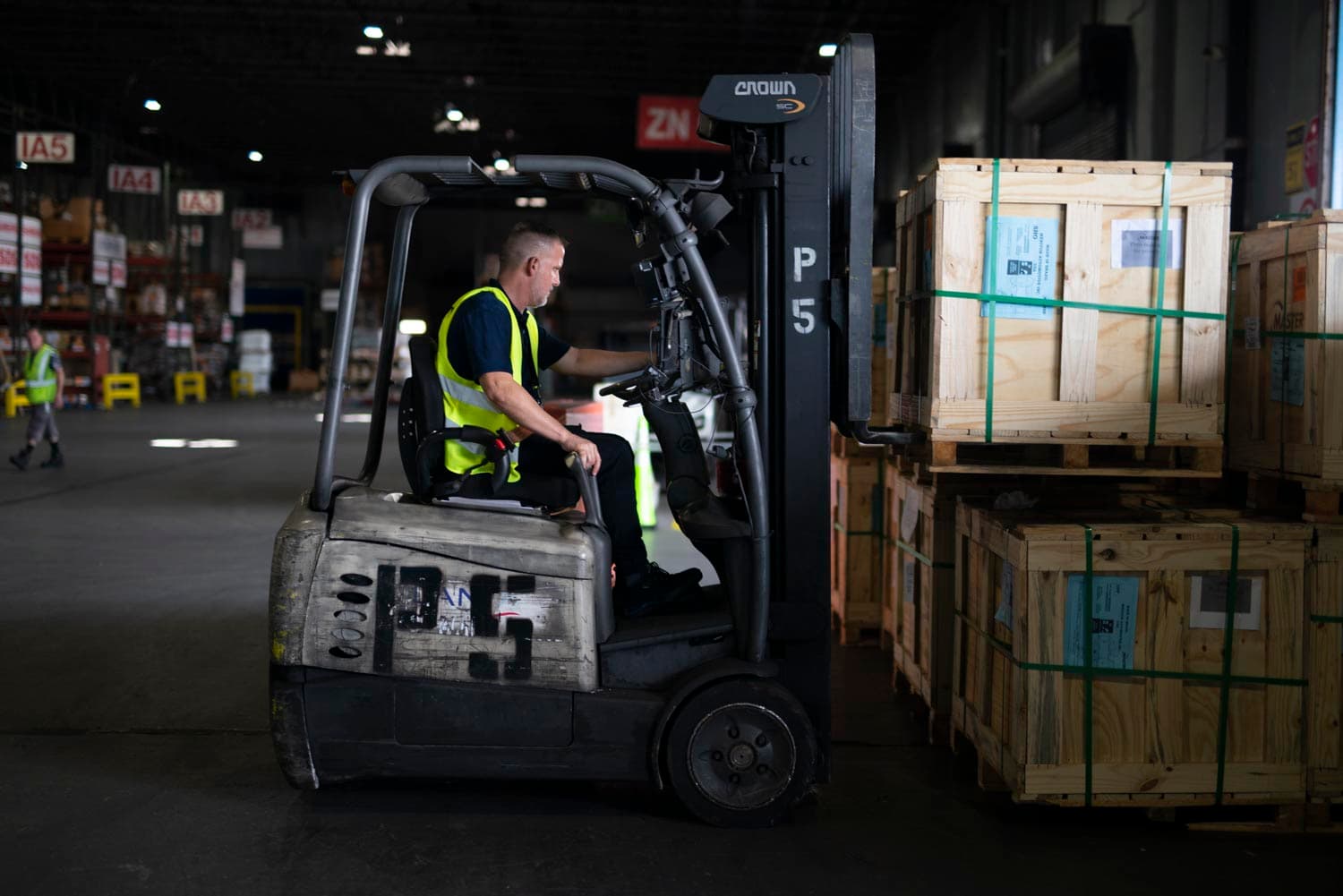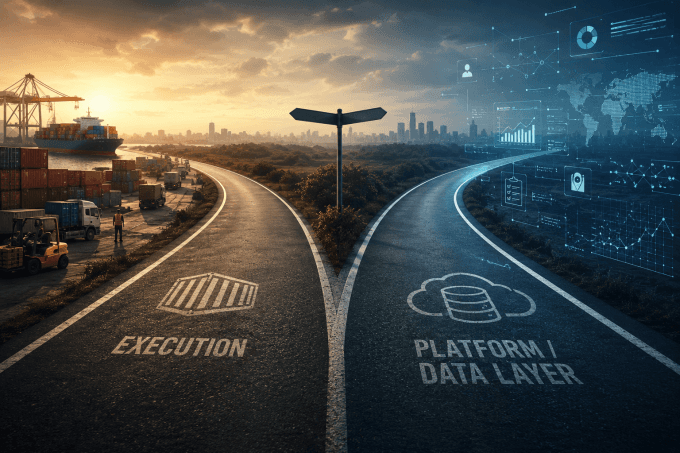
The initial wave of digital freight forwarders largely aimed to merge software with logistics execution, automating processes to become a central operating system for international trade. However, the industry is now seeing a strategic divergence. Some companies continue to embed technology directly into every aspect of freight operations, viewing it as intrinsic to service delivery and workflow optimization. This approach seeks to create seamless, automated processes from booking to delivery, fundamentally transforming how logistics tasks are performed.
Conversely, another segment of digital forwarders is advocating for technology to serve as an overarching layer, providing tools and platforms that enhance traditional freight forwarding without fully replacing human intervention or established operational models. This perspective suggests that technology should empower, rather than entirely subsume, the complexities of logistics. This could mean offering advanced visibility, data analytics, or communication platforms that support existing freight forwarding services.
For freight forwarders and operations managers, this debate highlights critical choices in technology adoption. Companies must decide whether to invest in comprehensive, integrated platforms that aim to automate extensively, potentially leading to greater efficiency but requiring significant operational overhaul. Alternatively, they might opt for more modular, enabling technologies that can be layered onto existing systems, offering flexibility and incremental improvements. The chosen path will influence operational costs, service offerings, and competitive positioning within the evolving logistics landscape.