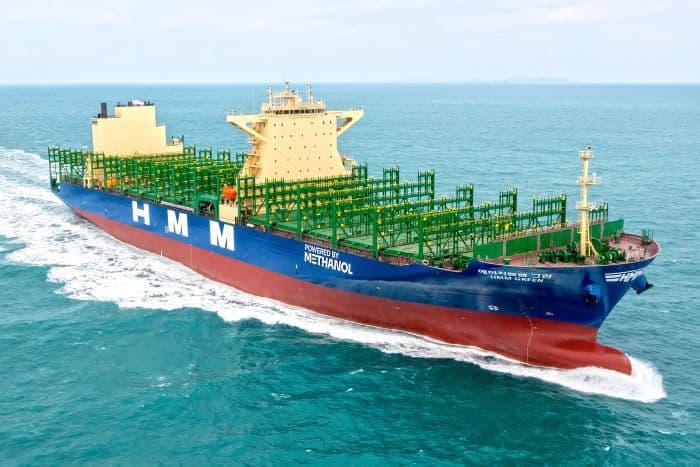
The current orderbook for new container ships is reportedly close to 40% of the existing operational global fleet. This significant expansion in vessel capacity has led to industry discussions regarding the potential for oversupply in the coming years.
Despite these concerns, executives from major shipping lines maintain that the projected surplus tonnage can be effectively absorbed. Their strategies for managing this influx include enhanced vessel management practices, efforts to rebalance trade flows, an anticipated increase in the scrapping of older vessels, and adapting to the continuous impact of geopolitical events on shipping routes and demand.
For freight forwarders and operations managers, this substantial orderbook suggests a potential increase in vessel availability and, consequently, a downward pressure on ocean freight rates in the medium to long term, assuming demand does not grow proportionally. Forwarders should monitor new vessel deliveries and carrier deployment strategies, as increased capacity could lead to more competitive pricing and potentially more flexible booking options. However, the actual impact will depend on how effectively carriers implement their mitigation strategies and the evolution of global trade dynamics.