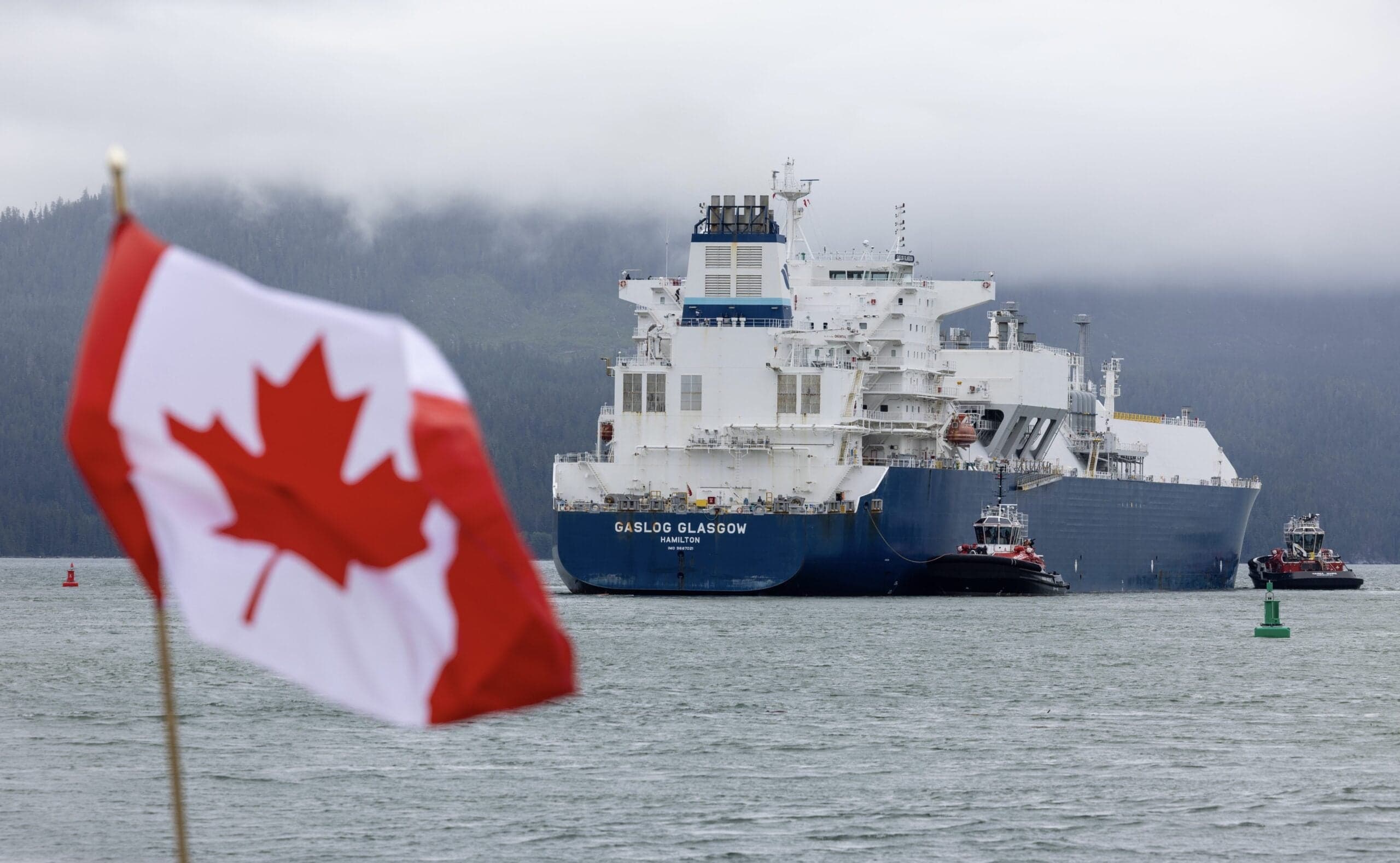
Canada is expected to announce an agreement to provide Germany with liquefied natural gas (LNG) from a proposed export terminal on the coast of British Columbia. This initiative, valued at $7.3 billion, signifies a strategic move to enhance Germany's energy independence and reduce its reliance on traditional gas sources.
The context for this development lies in Germany's ongoing efforts to secure diverse energy supplies, particularly following geopolitical shifts that impacted its energy imports. The establishment of a new LNG export facility in Canada would create a new supply corridor, linking North American gas reserves to European markets.
For freight forwarders and shippers, this deal could lead to increased demand for specialized LNG carriers, potentially impacting charter rates and vessel availability in the long term. It also highlights the growing importance of new energy trade lanes, which may influence routing decisions and port infrastructure development for energy commodities. The project's scale suggests a sustained demand for logistics services related to LNG transport.
While the source does not specify a timeline for the project's completion or the commencement of LNG shipments, the announcement of such a deal indicates a significant step towards its realization and future operational impact.