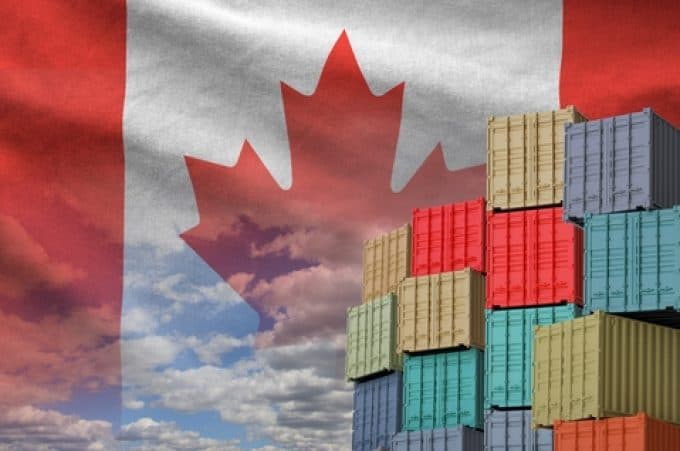
The Canadian government is implementing a strategic initiative to expand its global trade partnerships and decrease its economic reliance on the United States. This involves a concerted effort to forge new trade agreements with countries worldwide. Concurrently, substantial investments are being directed towards enhancing the nation's transportation infrastructure, which is crucial for supporting these new trade routes and increasing overall logistical capacity.
For freight forwarders and operations managers, this development signals potential shifts in trade flows and new opportunities. Increased infrastructure investment could lead to improved port efficiency, better rail and road connections, and potentially more diverse shipping options for cargo moving in and out of Canada. Forwarders may need to adapt their routing strategies and explore new trade lanes as Canada strengthens its ties with non-US markets. This could also influence capacity availability and pricing on emerging routes, while potentially easing some pressure on traditional Canada-US cross-border logistics.