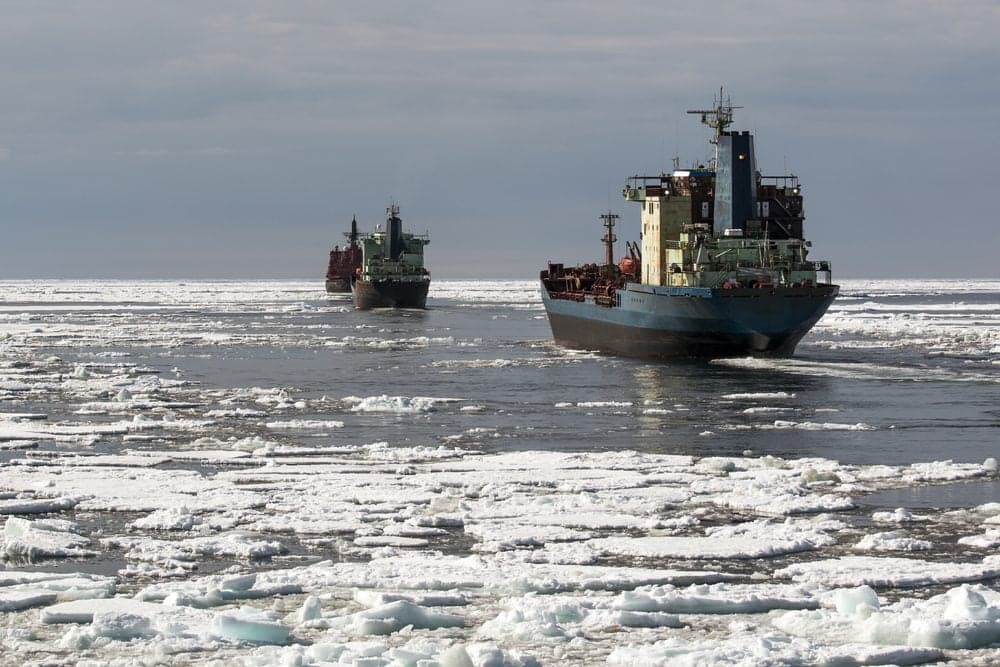
Black carbon emissions from maritime traffic in the Arctic are escalating, surpassing the pace at which international regulations are being developed and implemented to control them. This growing environmental concern highlights a gap between the increasing shipping activity in the region and the global community's ability to mitigate its ecological impact.
The International Maritime Organization (IMO) has been discussing measures to reduce black carbon, a potent climate-forcing pollutant, for several years. However, progress has been slow, with member states debating various technical solutions and their feasibility. The unique challenges of the Arctic environment, including its rapid warming and the presence of ice, make the issue particularly urgent.
For freight forwarders and logistics professionals, this situation implies potential future operational changes and increased scrutiny on vessel choices for Arctic routes. While immediate rate impacts are unlikely, long-term regulatory shifts could lead to higher compliance costs or restrictions on certain vessel types. Shippers utilizing Arctic passages may face pressure to demonstrate environmental responsibility, potentially influencing carrier selection.
Looking ahead, the IMO is expected to continue discussions on black carbon reduction strategies. This could involve mandates for cleaner fuels, exhaust gas treatment systems, or operational restrictions for ships in polar waters. The industry will need to monitor these developments closely to anticipate future requirements and adjust operational practices accordingly.