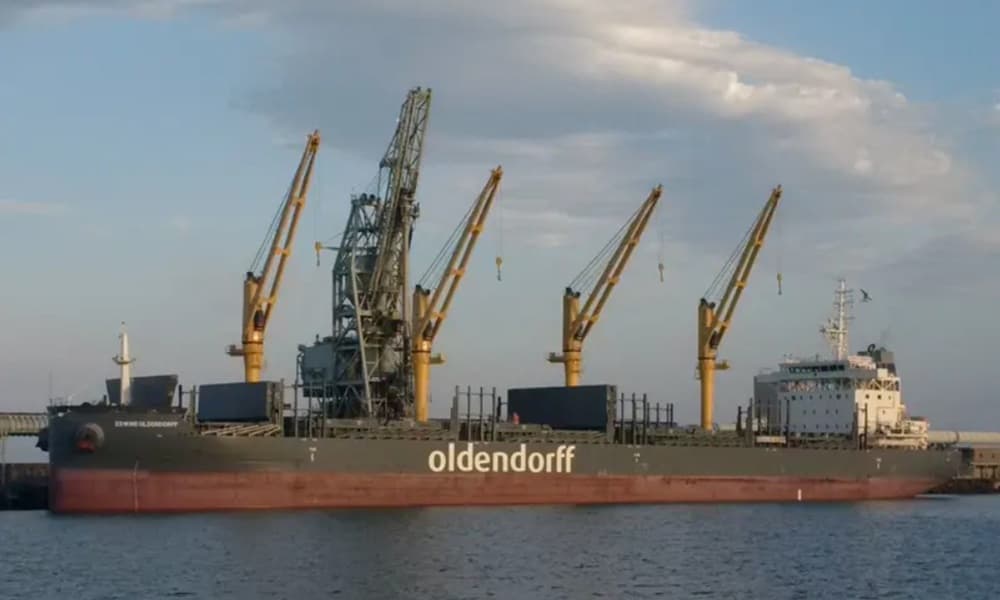
Global agricultural trade is currently facing unprecedented challenges, leading to record-high voyage durations for dry bulk vessels. This increase is primarily driven by a combination of factors, including climate-related disruptions, growing pressure on critical maritime routes, and shifts in global grain export dynamics.
This situation is significantly impacting the dry bulk shipping market by increasing the average distance cargo needs to travel, thereby boosting tonne-mile demand for shipowners. The extended transit times can lead to higher operational costs, increased fuel consumption, and potential delays in delivery schedules.
For freight forwarders and operations managers, these longer voyages translate into several operational considerations. Shippers may face increased lead times for agricultural commodities, requiring adjustments to inventory management and supply chain planning. Furthermore, the heightened demand for dry bulk capacity due to longer routes could exert upward pressure on freight rates. Forwarders will need to closely monitor vessel availability and potential route diversions, especially in regions prone to climate events or geopolitical tensions, to ensure timely and cost-effective delivery of agricultural goods.