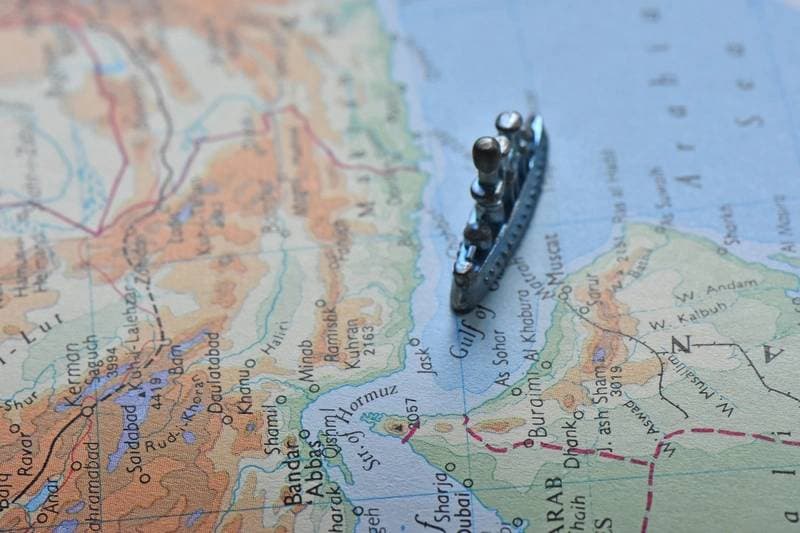
Seven vessels have been impacted by incidents near the Strait of Hormuz. Four ships reportedly caught fire after being struck by Iran's Islamic Revolutionary Guard Corps Navy, which accused them of engaging in illicit oil transfers in the northern Persian Gulf. Simultaneously, three other vessels are said to have collided with mines located west of the Strait. These events unfold against a backdrop of heightened regional tensions, with Iran issuing a warning to the United States about the potential for further escalation.
This series of incidents in a critical maritime chokepoint significantly raises the risk profile for shipping operations in the region. For freight forwarders and shippers, this translates directly into increased war risk premiums for cargo insurance, potential delays due to enhanced security measures or rerouting, and a general elevation of operational uncertainty. Capacity might be affected as some carriers could opt to avoid the area or reduce their presence, leading to potential rate increases for services transiting the Persian Gulf. Forwarders must closely monitor advisories and adjust their routing and insurance strategies accordingly.
Should tensions continue to escalate, the Strait of Hormuz, a vital passage for global oil and gas shipments, could face further disruptions, impacting energy markets and broader supply chains. The situation demands continuous vigilance from all stakeholders in the logistics and shipping sectors.