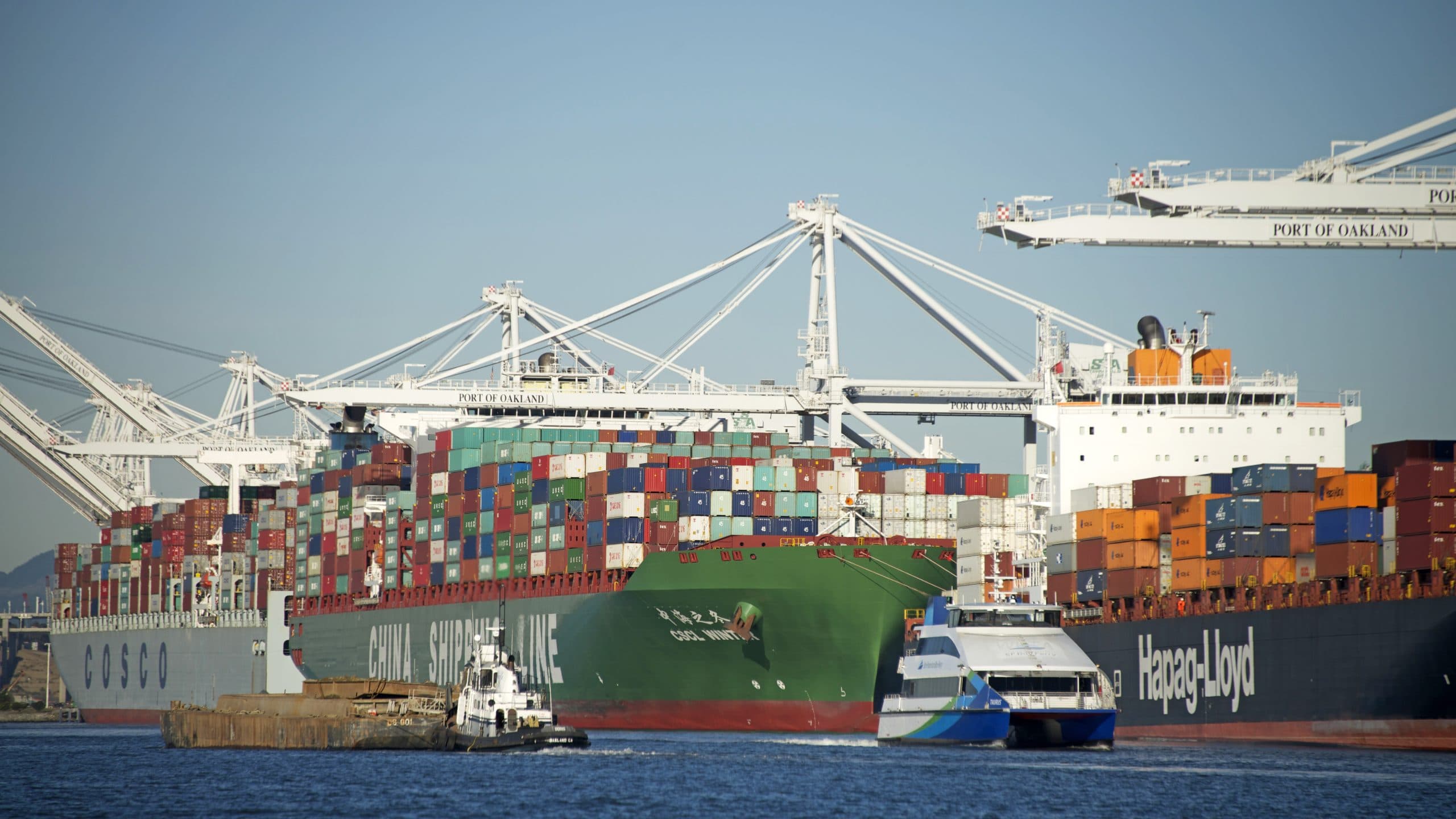
Container terminals at the Port of Oakland are progressing with the acquisition of electric cargo-handling equipment and the necessary infrastructure to support it. This development follows a substantial US$322 million federal grant secured from the US Environmental Protection Agency (EPA) in October 2024.
This investment signifies a commitment to decarbonizing port operations, aiming to reduce emissions from cargo handling. The funding will enable terminals to replace older, fossil-fuel-powered machinery with electric alternatives, contributing to improved air quality in and around the port area.
For freight forwarders and shippers utilizing the Port of Oakland, this transition indicates a move towards more sustainable logistics operations. While there might be initial adjustments during the rollout of new equipment, the long-term impact is expected to be positive, potentially leading to more efficient and environmentally friendly cargo movement. It aligns with broader industry trends towards green supply chains, which could benefit forwarders in meeting their own sustainability targets and client demands.
Looking ahead, the procurement process will involve selecting and deploying various types of electric equipment, such as yard tractors, forklifts, and potentially shore power connections for vessels, along with charging infrastructure. This initiative is part of a wider effort by U.S. ports to modernize and electrify their operations, driven by federal funding and environmental mandates.