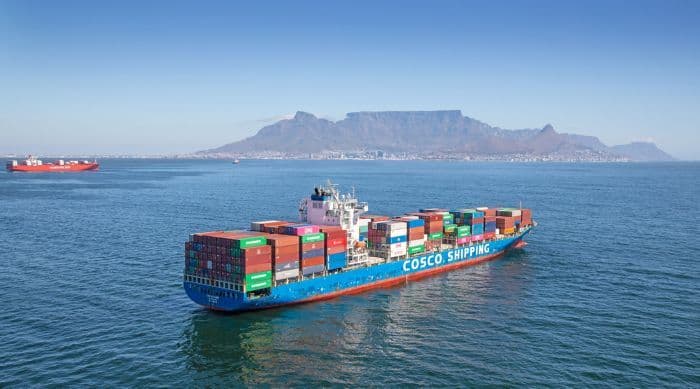
North European container ports are expressing apprehension regarding a potential surge in vessel arrivals and subsequent congestion. This concern stems from the increasing number of container shipping services that are expected to transition back to the shorter Suez Canal route. As carriers re-optimize their networks, there is a risk that ships originally rerouted around Southern Africa will converge with those now utilizing the Suez Canal, leading to an overlapping effect in port schedules.
For freight forwarders and supply chain managers, this situation could translate into significant operational challenges. Increased vessel bunching at key North European hubs may cause longer waiting times for berths, delays in cargo handling, and a deterioration in overall schedule reliability. This could necessitate adjustments in inland logistics planning and potentially lead to higher demurrage and detention charges. Forwarders should monitor carrier announcements and port congestion updates closely to proactively manage their shipments and communicate potential delays to clients.