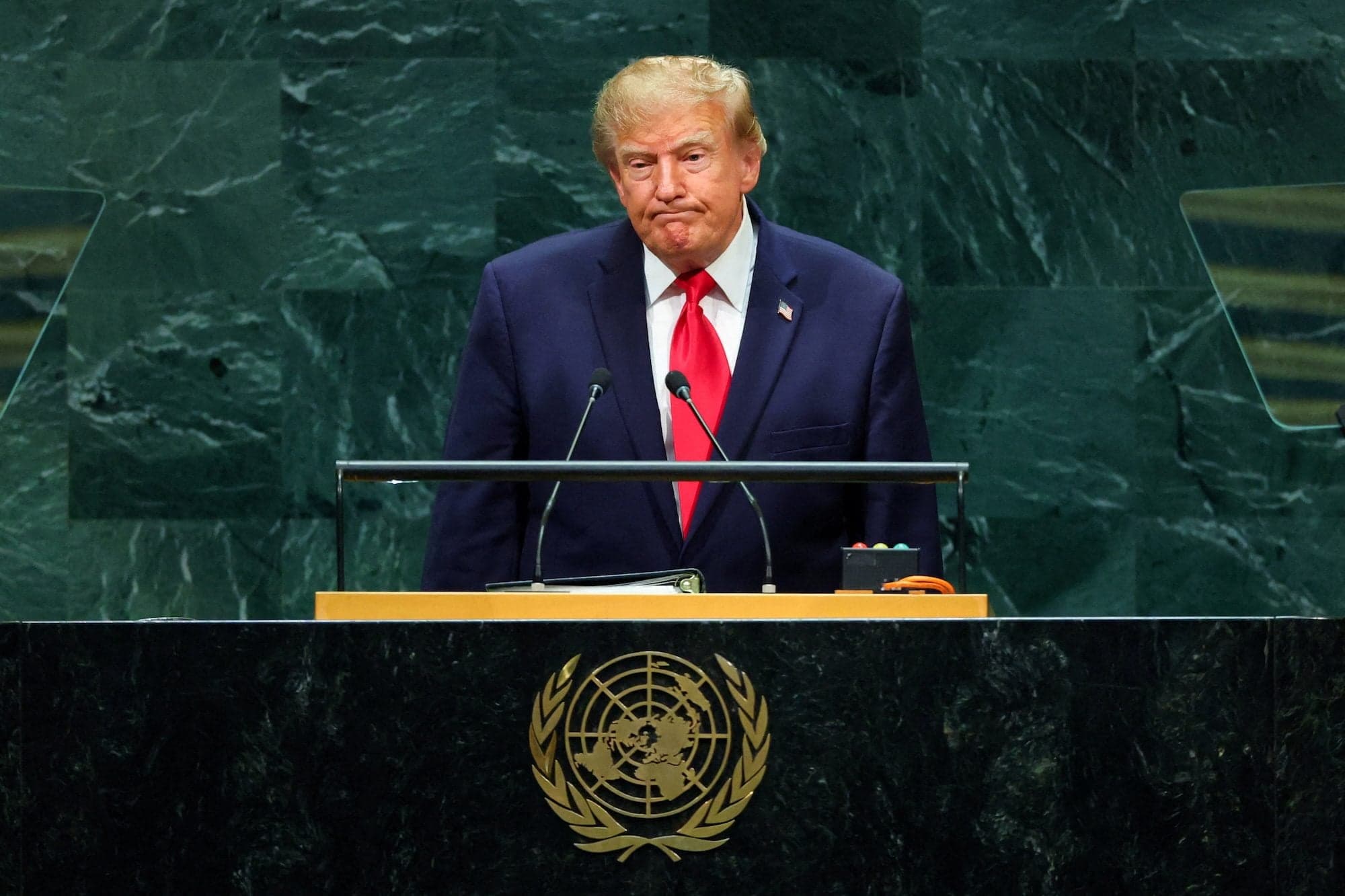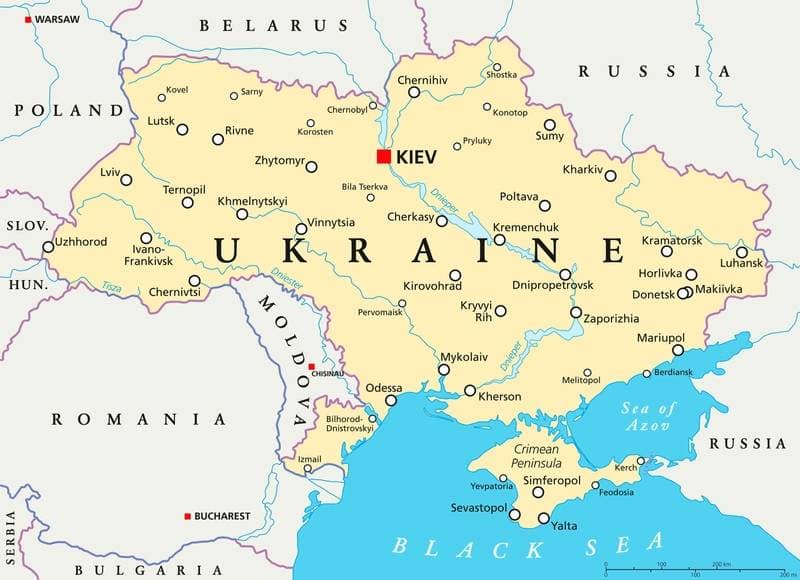
Ukrainian President Volodymyr Zelenskiy announced at the United Nations that Ukraine is open to a maritime truce in the Black Sea. This proposal is built upon frameworks suggested by Egypt, India, and Turkey, indicating a multilateral effort to de-escalate tensions and secure shipping routes in the vital waterway. The next step hinges on Russia's willingness to engage with these proposals.
This development comes amidst ongoing conflict, which has severely impacted commercial shipping in the Black Sea, particularly for grain exports. Previous agreements, such as the Black Sea Grain Initiative, have faced challenges and disruptions, underscoring the need for a stable maritime environment.
For freight forwarders and shippers, a successful maritime truce in the Black Sea could significantly improve schedule reliability and reduce war risk premiums, which have added considerable costs to shipments. It could also lead to increased capacity and more predictable transit times for cargo, especially agricultural products, impacting global supply chains. The stability would allow for better planning and potentially lower operational costs.
Should Russia agree, the implementation of such a truce would likely involve detailed negotiations on safe corridors, inspection protocols, and monitoring mechanisms to ensure compliance. The focus would be on establishing a secure environment for commercial vessels to operate without threat.