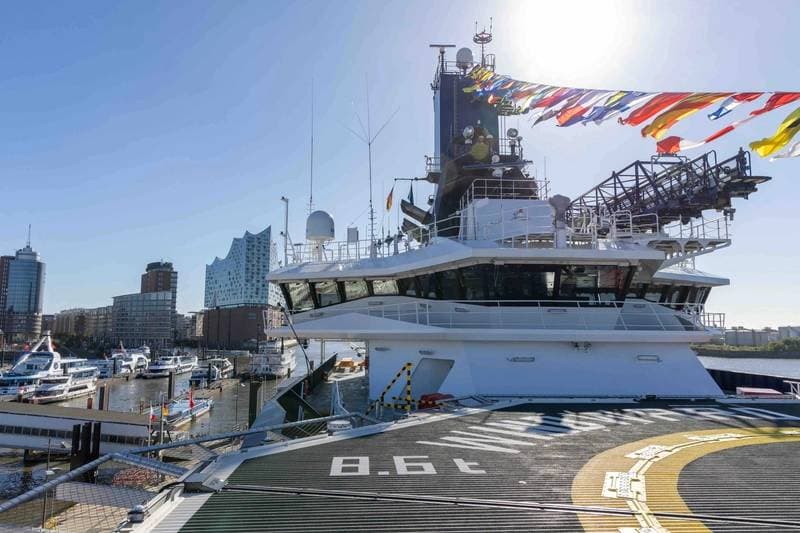
Major shipping companies are demonstrating progress in decreasing the greenhouse gas emissions intensity of their operations. However, these firms are encountering significant challenges in achieving absolute reductions in emissions. The top ten maritime companies globally, based on market capitalization, have all set net-zero targets by 2050 or earlier. Despite these ambitious goals, their latest annual reports indicate a slow transition towards the adoption of low-carbon bunker fuels.
This slow transition suggests that while operational efficiencies might be improving, the fundamental shift away from fossil fuels is not occurring at a pace sufficient to meet long-term decarbonization objectives. The reliance on conventional fuels continues to be a major hurdle.
For freight forwarders and shippers, this implies that the industry's decarbonization efforts will likely incur higher costs in the future as regulatory pressures intensify and the availability of green fuels remains limited. Forwarders may see increased bunker adjustment factors (BAFs) or other surcharges as carriers invest in new technologies or more expensive alternative fuels. Capacity might also be affected if older, less efficient vessels are phased out without sufficient new, green tonnage to replace them. Shippers should anticipate potential disruptions and rising freight costs associated with the industry's struggle to meet environmental targets.
Moving forward, the industry will need to accelerate investment in alternative fuel infrastructure, research and development for new propulsion technologies, and policy frameworks that incentivize faster adoption of low-carbon solutions to meet the stated net-zero targets.