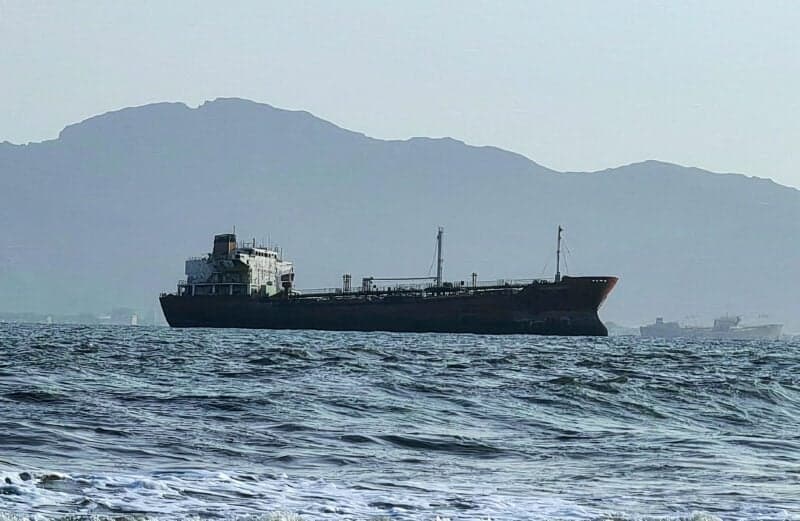
Saudi Arabia experienced its lowest crude oil export volume in at least nine years during the past month. This significant reduction is attributed to heightened geopolitical tensions across the Middle East, which have resulted in a series of attacks on tankers operating in the region.
The ongoing instability has created a hazardous environment for maritime shipping, particularly in critical waterways such as the Strait of Hormuz and the Red Sea. These routes are vital for global oil trade, connecting major production hubs to international markets. The increased risk of incidents has likely led to reduced vessel traffic or rerouting, contributing to the observed decline in Saudi exports.
For freight forwarders and operations managers, this situation implies potential disruptions to crude oil and refined product shipments. Increased war risk premiums for vessels transiting these areas are probable, leading to higher transportation costs. Capacity might also be affected as some carriers may choose to avoid the region or implement stricter security measures, impacting schedule reliability and transit times. Shippers should anticipate potential delays and elevated freight expenses for energy-related cargo originating from or passing through the Middle East.
While the article does not specify immediate future developments, continued monitoring of geopolitical events and their impact on shipping lanes will be crucial for supply chain planning.