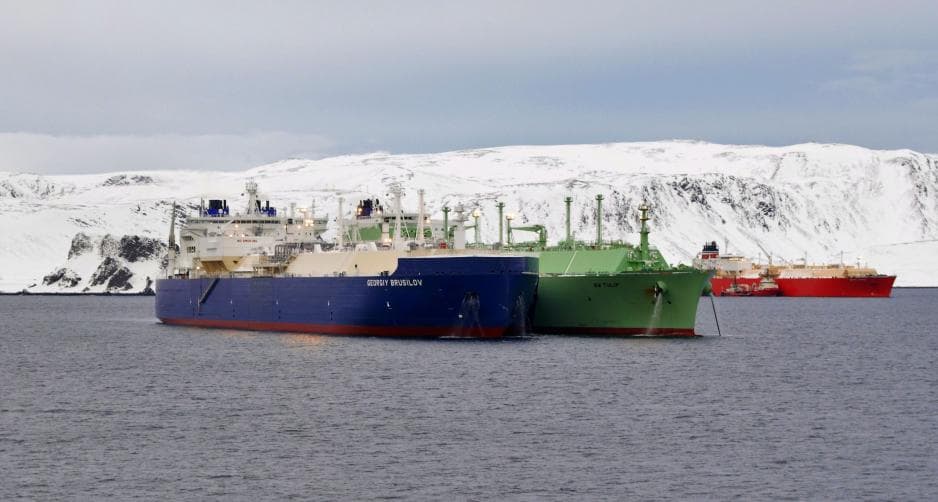
Russia has substantially grown its fleet of liquefied natural gas (LNG) tankers, almost doubling its capacity within a year. This strategic move is intended to facilitate increased exports from its Arctic projects, which are currently under US sanctions. The expansion underscores Russia's determination to enhance its profitable super-chilled fuel exports, even in the face of Western restrictions.
For freight forwarders and operations managers, this development signals a continued shift in global energy supply chains. The growth of Russia's 'dark fleet' for LNG transport indicates potential complexities in routing and compliance for any associated logistics. While direct engagement with sanctioned entities is to be avoided, the broader market impact could include changes in vessel availability and trade flows for LNG, potentially influencing charter rates and capacity in the specialized tanker segment.
This expansion is a direct response to Western sanctions, which aim to limit Russia's revenue from energy exports. By building its own dedicated fleet, Russia seeks to maintain and grow its market share in global LNG trade, highlighting the ongoing geopolitical influence on maritime logistics and energy markets.