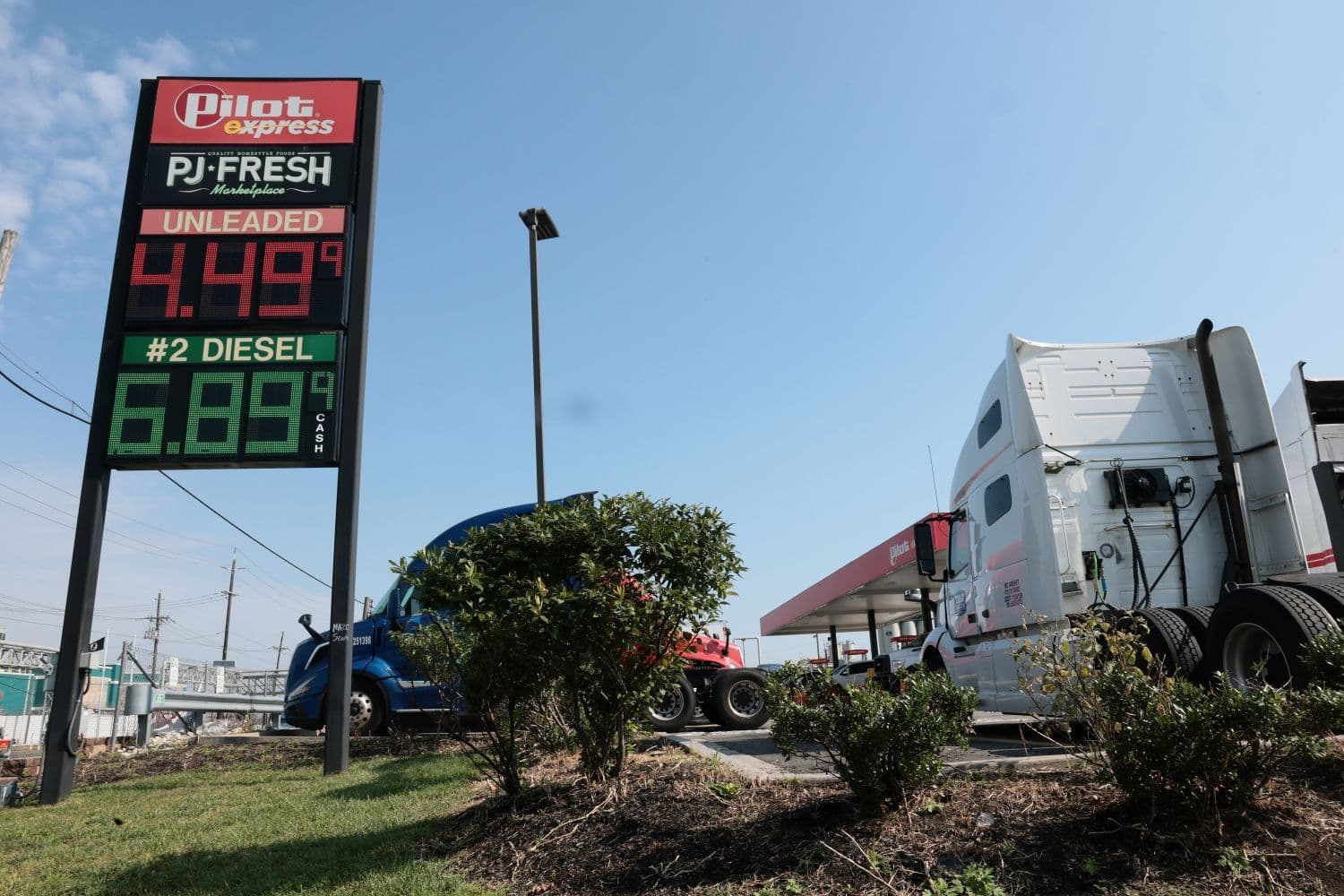
The escalating cost of diesel fuel is bringing renewed attention to how trucking companies manage their operational expenses. For carriers with established contractual fuel surcharge mechanisms, the impact of higher diesel prices is largely mitigated as they can pass these additional costs directly to their customers. This contractual arrangement helps prevent situations where trucking firms might otherwise need to reduce their fleet size or halt operations due to unabsorbed fuel expenses.
For freight forwarders and operations managers, this means that while base trucking rates might remain stable, the total cost of inland transportation is likely to increase due to these surcharges. Shippers should anticipate higher overall freight bills for road transport, and forwarders must ensure their quotes accurately reflect these variable fuel costs to avoid margin erosion. Understanding the specifics of each carrier's fuel surcharge formula will be crucial for budgeting and client communication.
This trend is expected to continue as long as fuel prices remain elevated, reinforcing the need for transparent and dynamic fuel surcharge policies across the trucking sector.