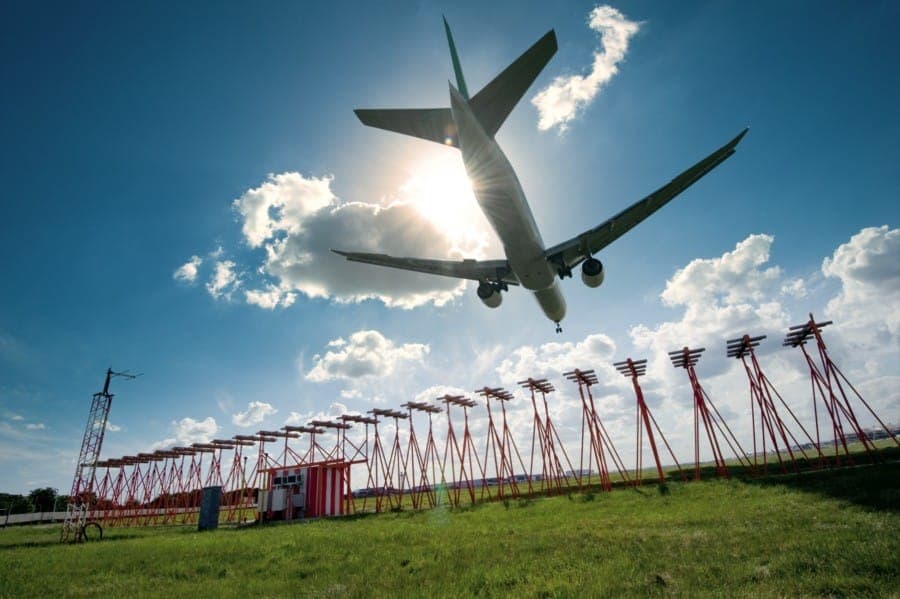
The National Transportation Safety Board (NTSB) has released preliminary information concerning a cargo aircraft incident involving a Boeing 767 in Miami. According to the NTSB's analysis of flight data, the aircraft's crew increased engine power and released the brakes after the plane had already touched down on the runway. This sequence of events is consistent with a belated attempt to execute a go-around procedure.
The aircraft initially landed at a speed of 158 knots, with its left main landing gear making contact at 134 knots. It subsequently traveled approximately 1,300 feet (396 meters) along the runway before the crew's actions. Further investigation will likely focus on the timing of the go-around decision and contributing factors.
For freight forwarders and operations managers, incidents involving cargo aircraft can lead to immediate disruptions. Depending on the extent of damage and the investigation's duration, this event could result in temporary capacity reductions for air cargo services operating through Miami International Airport (MIA). Shippers might experience delays or require rerouting of their cargo, particularly for time-sensitive shipments. It is advisable to monitor carrier updates and airport advisories for potential impacts on schedules and available lift.