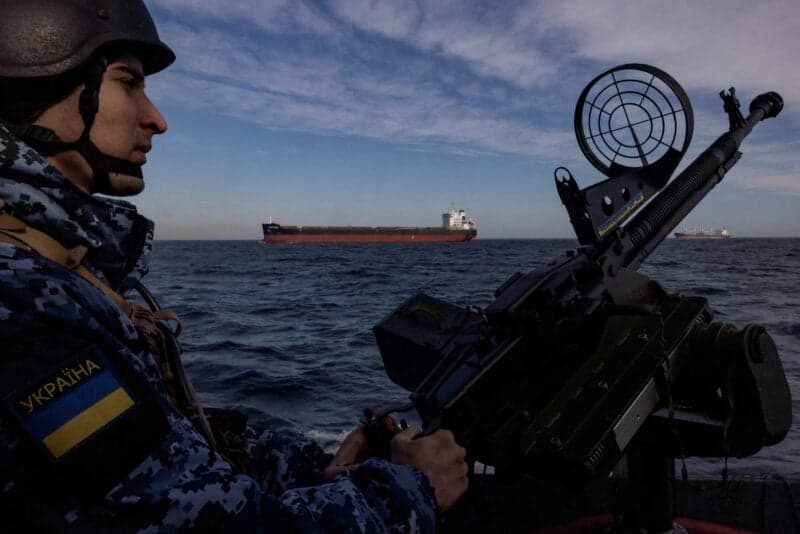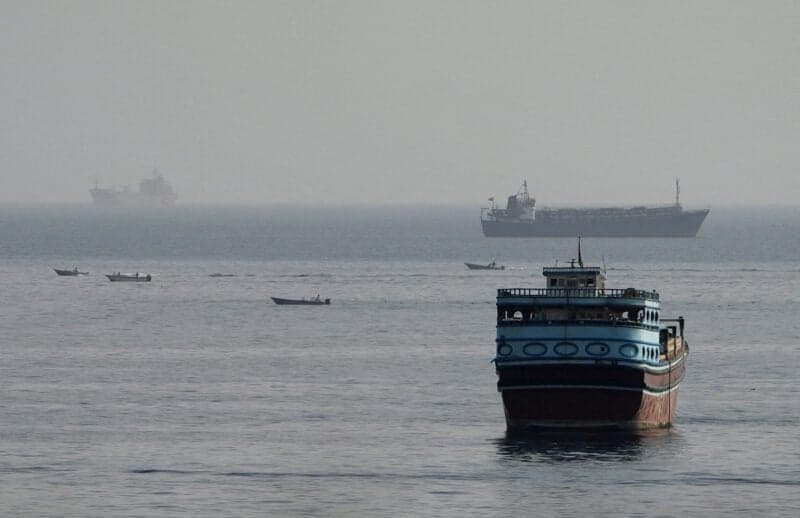
Three commercial tankers have recently been targeted in the Strait of Hormuz. These incidents are occurring at a time when Saudi Arabia is reportedly compelled to direct a larger volume of its oil exports through this vital maritime chokepoint.
This renewed series of attacks amplifies existing tensions in the region, which has historically been a flashpoint for maritime security concerns. The Strait of Hormuz is a crucial transit route for a significant portion of the world's oil supply, making any disruption a matter of international concern.
For freight forwarders and shippers, these attacks could lead to several impacts. Firstly, war risk insurance premiums for transiting vessels are likely to increase, adding to operational costs. Secondly, carriers may implement stricter security protocols or even consider alternative, longer routes if the threat level escalates, potentially causing delays and affecting schedule reliability. Forwarders should monitor the situation closely and advise clients on potential surcharges or revised transit times for shipments passing through the Gulf region.
The article does not specify any immediate next steps or ongoing investigations, but the situation suggests a need for heightened vigilance and potentially increased naval presence in the area to safeguard commercial shipping.