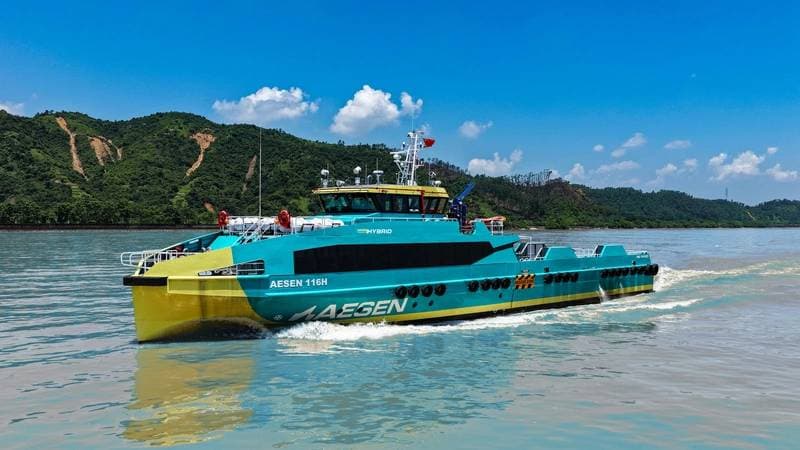
Shenghang Shipping, a Chinese company, has successfully converted an ammonia carrier into a bunker vessel, which has now received certification from the China Classification Society for ship-to-ship ammonia bunkering operations. This significant milestone indicates that ammonia is moving from a theoretical alternative fuel to a practical solution for maritime shipping. The vessel, with a capacity of 5,500 cubic meters, is now operationally ready.
This development is crucial for the shipping industry's decarbonization efforts, as ammonia is considered a promising zero-carbon fuel. However, the article also notes that recent leaks underscore persistent safety concerns associated with handling ammonia, which is toxic. As such, the industry must continue to prioritize robust safety protocols and infrastructure development.
For freight forwarders and operations managers, the increasing readiness of ammonia bunkering infrastructure suggests that more vessels may soon adopt this alternative fuel. This could lead to changes in vessel routing, port calls, and potentially impact freight rates as carriers invest in new fuel technologies and associated operational costs. Forwarders should monitor the development of bunkering availability at key ports and understand the implications for lead times and supply chain planning.