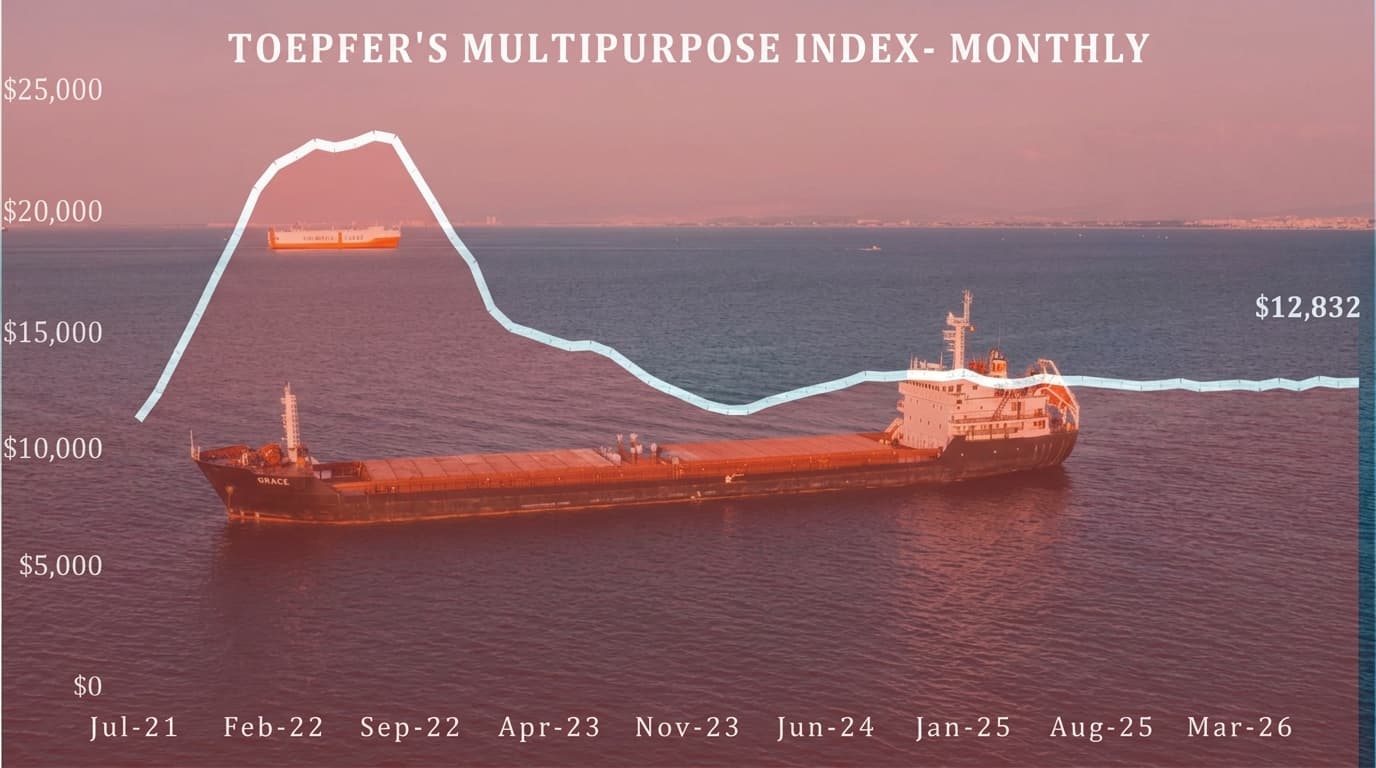
For the past six months, escalating tensions between the United States and Iran have compelled Middle Eastern export companies to modify their logistics strategies. With the Strait of Hormuz becoming increasingly difficult to access, shippers are now utilizing alternative ports and longer maritime routes.
This shift in routing is primarily a response to the perceived risks and operational challenges associated with transiting the Strait of Hormuz, a critical chokepoint for global oil and gas shipments. The prolonged geopolitical standoff has created an environment of uncertainty, pushing companies to prioritize supply chain security over direct transit.
For freight forwarders and operations managers, this development means a substantial increase in transportation periods, potentially adding several months to transit times. This will inevitably lead to higher operational costs, including increased fuel consumption and potentially higher insurance premiums due to extended voyages. Forwarders must re-evaluate their routing options, adjust lead times, and communicate potential delays and cost implications to their clients. Capacity management on alternative routes may also become a concern, as more traffic diverts to these less direct pathways.
The article does not specify what further developments are expected, but the situation suggests that these alternative routes may become standard practice as long as the US-Iran conflict persists.