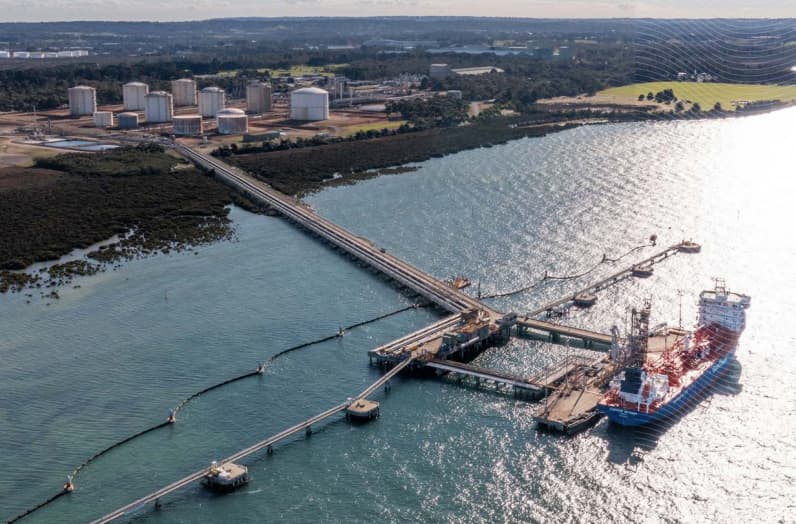
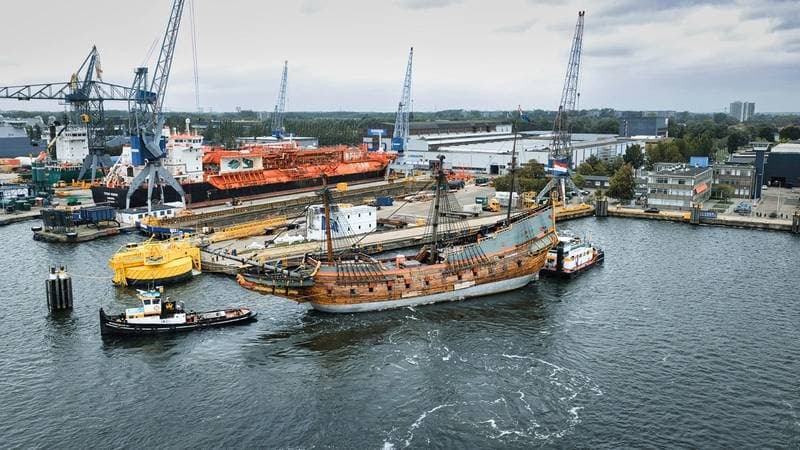
India is increasingly recognized as a significant participant in the international shipbuilding sector. However, the construction of Very Large Crude Carriers (VLCCs) demands a level of capability that extends beyond the standard shipbuilding infrastructure found in most facilities. Essential requirements for such projects include exceptionally large dry dock dimensions, the capacity to handle immense deadweight tonnage (DWT), advanced heavy fabrication expertise, specialized heavy-lift equipment, and direct access to deep-water waterfronts. Currently, only a limited number of Indian shipyards possess the comprehensive infrastructure and technical proficiency necessary to undertake VLCC construction.
For freight forwarders and logistics professionals, this indicates that while India's shipbuilding capacity is growing, its ability to produce the largest vessel classes, such as VLCCs, remains nascent. This means that the global fleet of these specialized tankers will continue to be primarily sourced from established shipbuilding nations. Consequently, any future expansion of India's VLCC fleet, whether for domestic or international clients, will depend on substantial infrastructure investment and technological upgrades within its shipyards. This could eventually influence global tanker availability and potentially shipping rates, though such an impact is long-term.