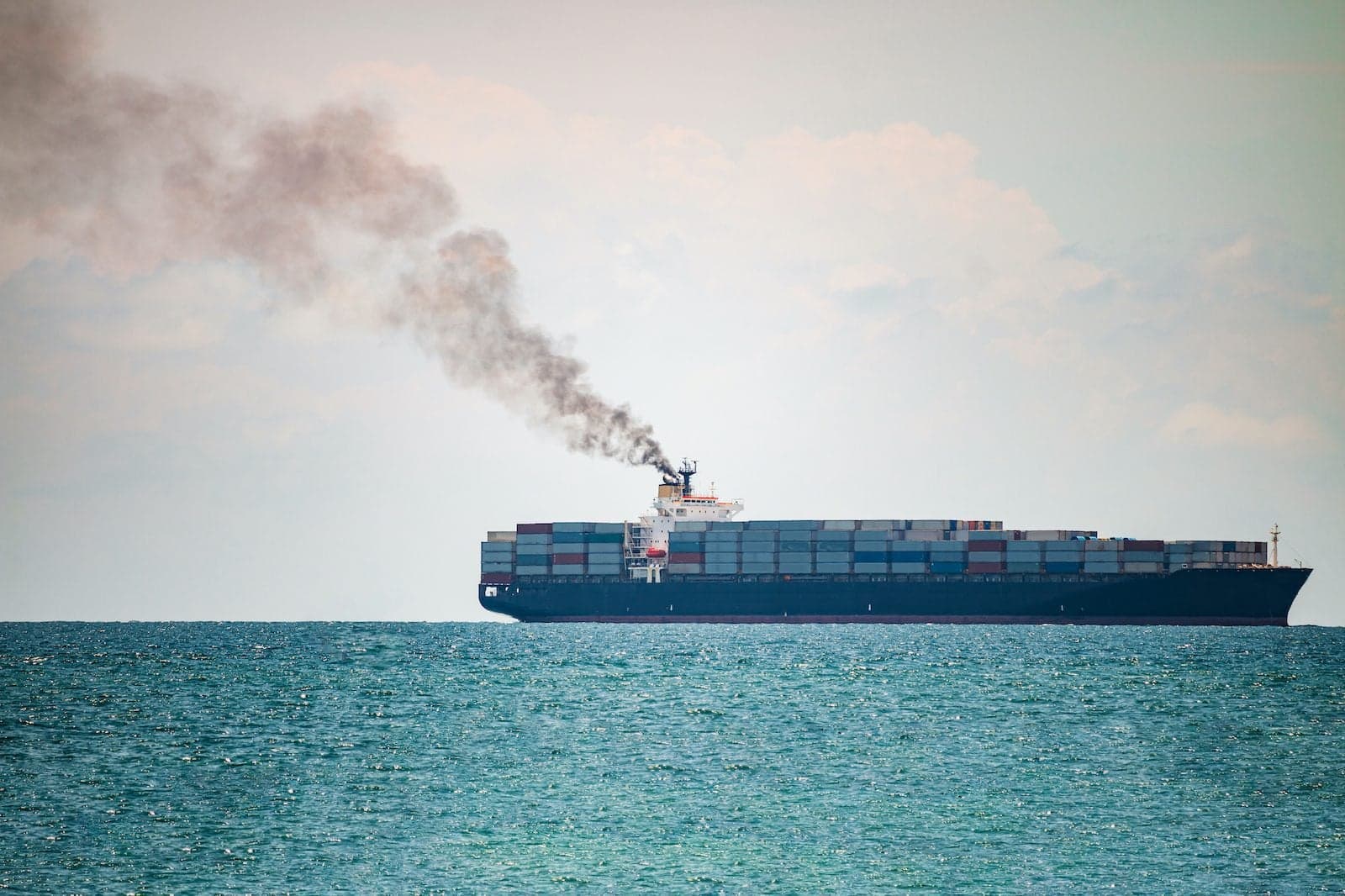
The maritime shipping sector is reportedly falling behind on its critical 2030 target for the adoption of zero-emission fuels. This assessment highlights that despite a notable expansion in methanol infrastructure and the increasing capacity of vessels capable of running on alternative fuels, the necessary regulatory frameworks from the International Maritime Organization (IMO) are not advancing quickly enough.
For freight forwarders and operations managers, this regulatory uncertainty translates into potential risks and challenges. The lack of clear, finalized IMO guidelines on future fuel standards could complicate long-term strategic planning regarding vessel selection, route optimization, and compliance costs. Forwarders may face fluctuating bunker prices for conventional fuels and higher premiums for greener alternatives if the market remains unstable due to policy ambiguity. Furthermore, the slow pace of regulation might deter further investment in green technologies, potentially limiting the availability and affordability of truly zero-emission shipping options by 2030. This situation could lead to increased operational costs and a more complex landscape for meeting shippers' sustainability demands.