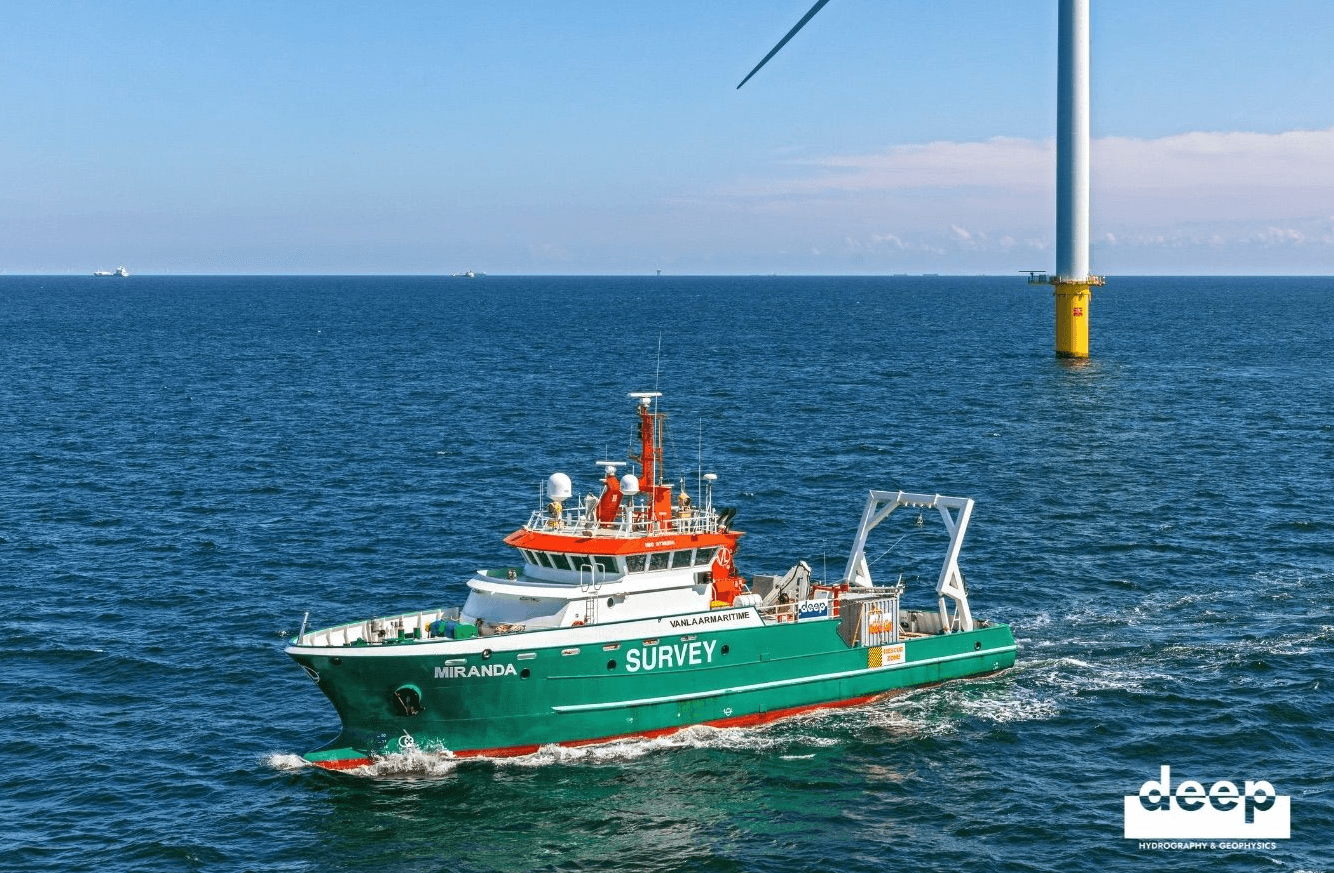
Deep and NextGeosolutions have successfully completed nearshore unexploded ordnance (UXO) surveys for five of TenneT's 2 GW offshore grid connections located in the German Bight. This extensive survey operation utilized a combination of five vessels, drones, and LiDAR technology to thoroughly map the seabed.
The primary objective of these surveys was to identify and mitigate potential risks posed by UXO before the commencement of subsea cable installation activities. Such preparatory work is vital for the safety and efficiency of large-scale offshore energy projects, particularly in areas with historical military activity.
For freight forwarders and project logistics managers, the completion of these surveys signifies a critical de-risking step for future project cargo movements related to the subsea cable installation. It indicates that a significant hurdle has been cleared, potentially allowing for more predictable scheduling and reduced risk of delays during the subsequent phases of the offshore wind farm development. This also means that specialized heavy-lift and subsea installation vessels can proceed with greater certainty, impacting overall project timelines and associated logistics costs.
While the article does not specify the next steps, the completion of these surveys typically paves the way for the next phase of subsea cable laying and infrastructure development for the offshore wind farms.