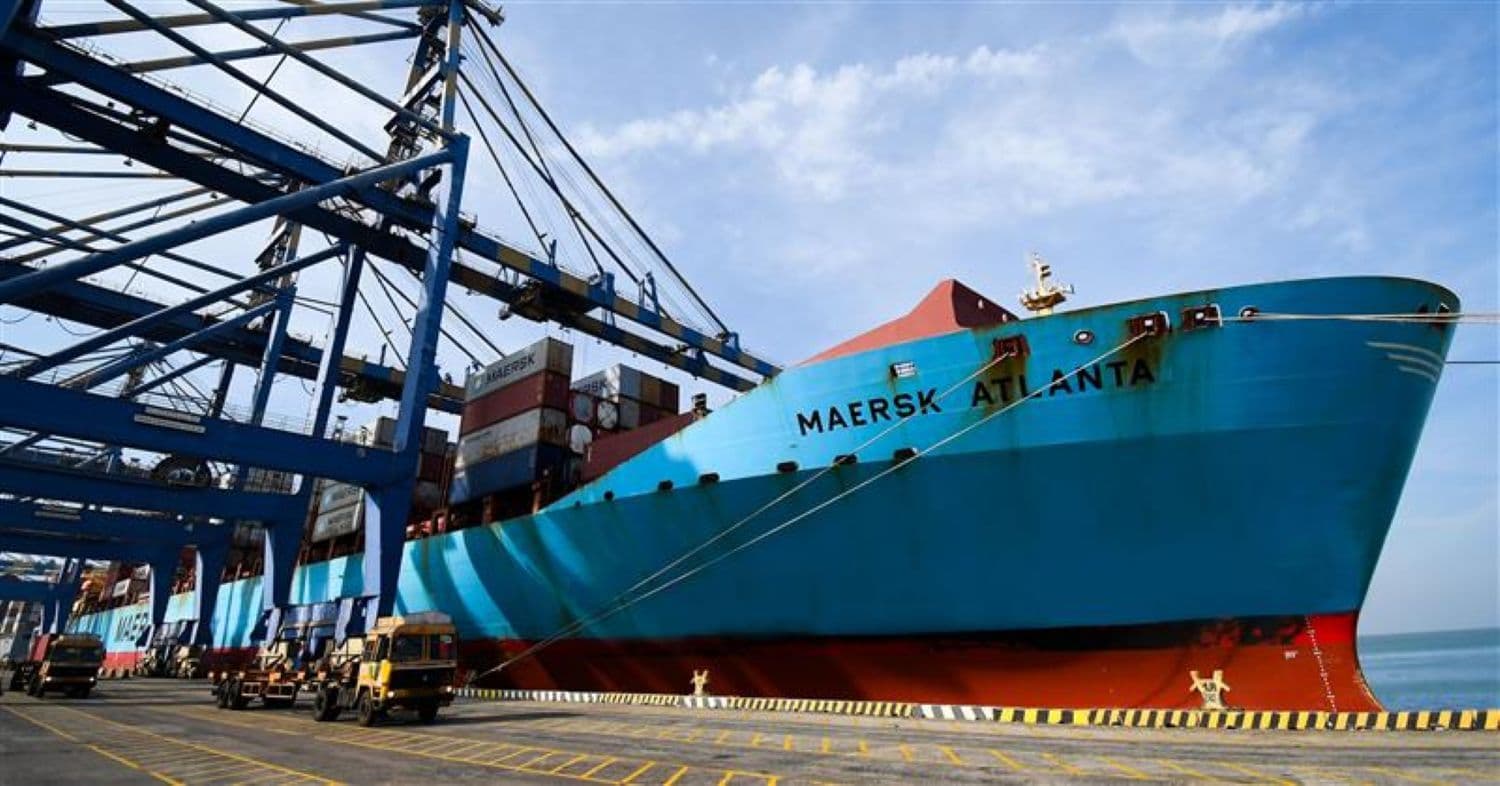
BIMCO, an international shipping association, forecasts a potential 10% oversupply in container shipping capacity by 2027, assuming a full resumption of transits through the Suez Canal. This projection is based on an accelerated pace of new vessel deliveries combined with a continued low rate of ship recycling.
Historically, disruptions like the Red Sea crisis have absorbed excess capacity by forcing longer routes around Africa. However, if the Suez Canal becomes fully accessible and secure again, vessels would revert to shorter routes, effectively releasing a significant amount of capacity back into the market.
For freight forwarders and operations managers, this anticipated overcapacity signals a highly competitive market environment. Shippers may benefit from lower freight rates due to increased competition among carriers. However, carriers will face significant pressure on profitability, potentially leading to more blank sailings, service adjustments, or even further consolidation in the industry. Forwarders should monitor capacity developments closely and leverage the potential for more favorable contract terms.
While the exact timeline for a full return to Suez Canal transits remains uncertain, the underlying trend of fleet growth and reduced scrapping suggests that overcapacity will be a defining feature of the container market in the coming years.