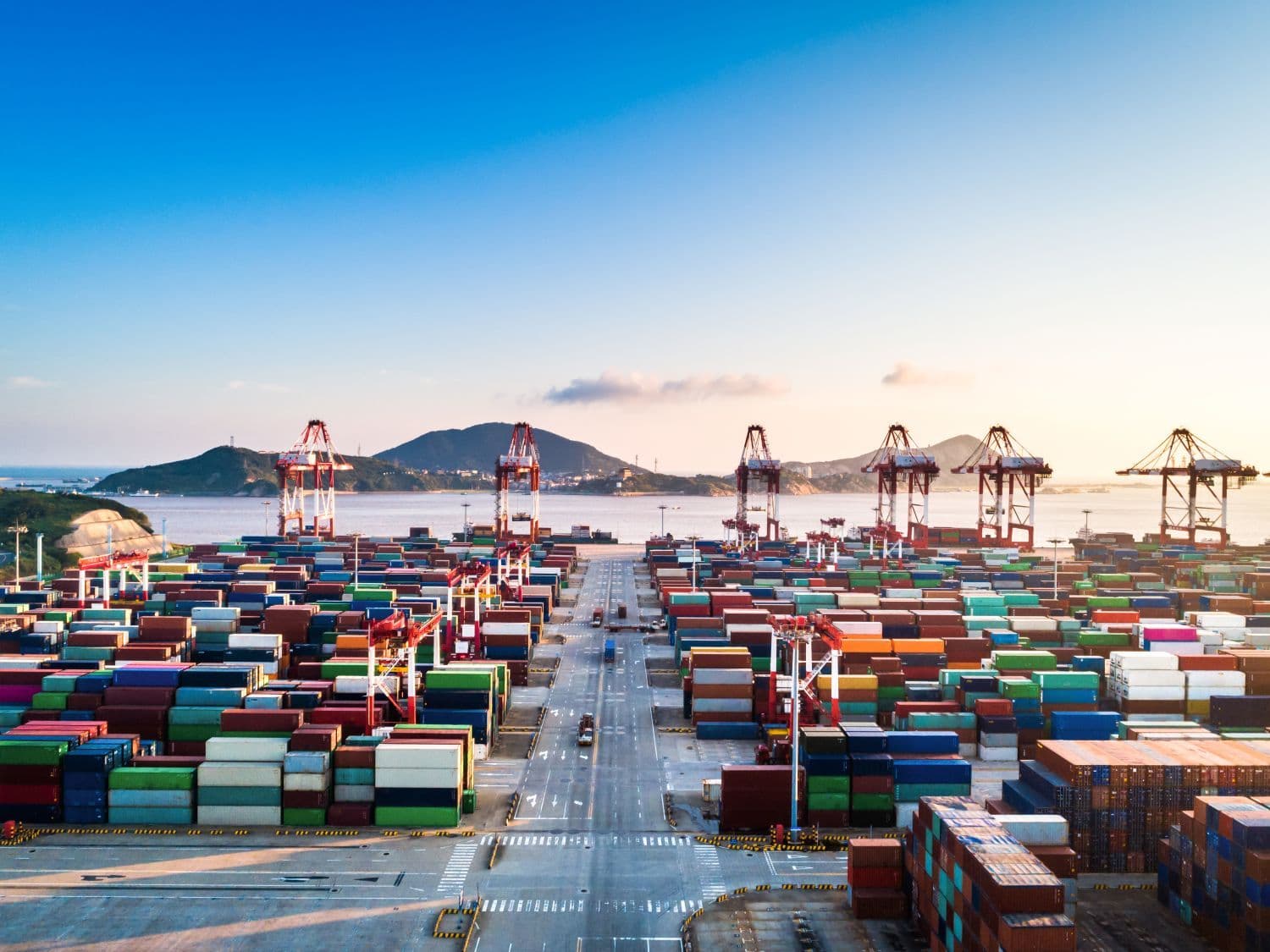
Shipping analysts are forecasting that port congestion in Asia, a problem that has been escalating since the summer months, is likely to persist through 2027. This situation is primarily attributed to an earlier-than-usual peak shipping season for cargo destined for North America, Latin America, and European markets, leading to increased pressure on port infrastructure and vessel turnaround times.
For freight forwarders and operations managers, this prolonged congestion means continued challenges in securing vessel space and managing transit times. Shippers should anticipate potential delays and higher operational costs due to port inefficiencies and possible surcharges. The extended congestion could also lead to equipment imbalances, making it harder to find empty containers in certain locations and potentially impacting schedule reliability across various trade lanes. Forwarders will need to maintain close communication with carriers and clients, explore alternative routing options, and build in additional buffer time for shipments originating from Asia.