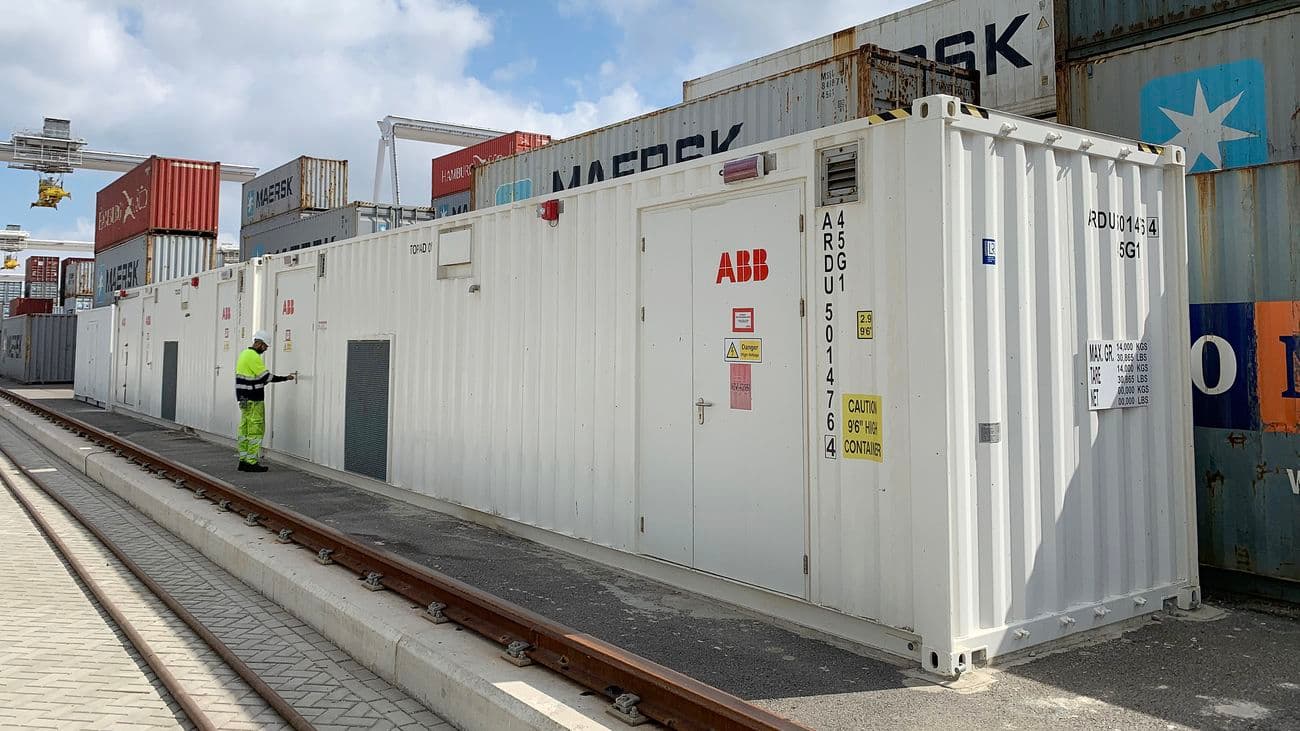
Sami Lehikoinen, a representative from ABB, asserts that despite the current hurdles of elevated electricity prices and insufficient grid infrastructure, now is the optimal period for ports to commit to shore power investments. This perspective is particularly relevant given upcoming European Union regulations. In less than four years, specifically by 2026, container vessels exceeding 5,000 gross tonnes will be required to utilize shore power while docked at EU ports. This mandate falls under the Alternative Fuels Infrastructure Regulation (AFIR) and FuelEU Maritime initiatives.
For freight forwarders and operations managers, this development signals a significant shift in port operations and vessel requirements. The mandatory use of shore power will likely impact vessel turnaround times, potentially influencing schedule reliability if ports are not adequately equipped. Forwarders should anticipate potential surcharges related to shore power usage at EU ports, which could affect overall shipping costs. Furthermore, the availability and efficiency of shore power connections could become a factor in port selection, especially for carriers operating larger container vessels on routes calling at European destinations. Early investment by ports could mitigate future bottlenecks and ensure smoother operations, but a lack of infrastructure could lead to delays and increased operational complexity for vessels and their cargo.