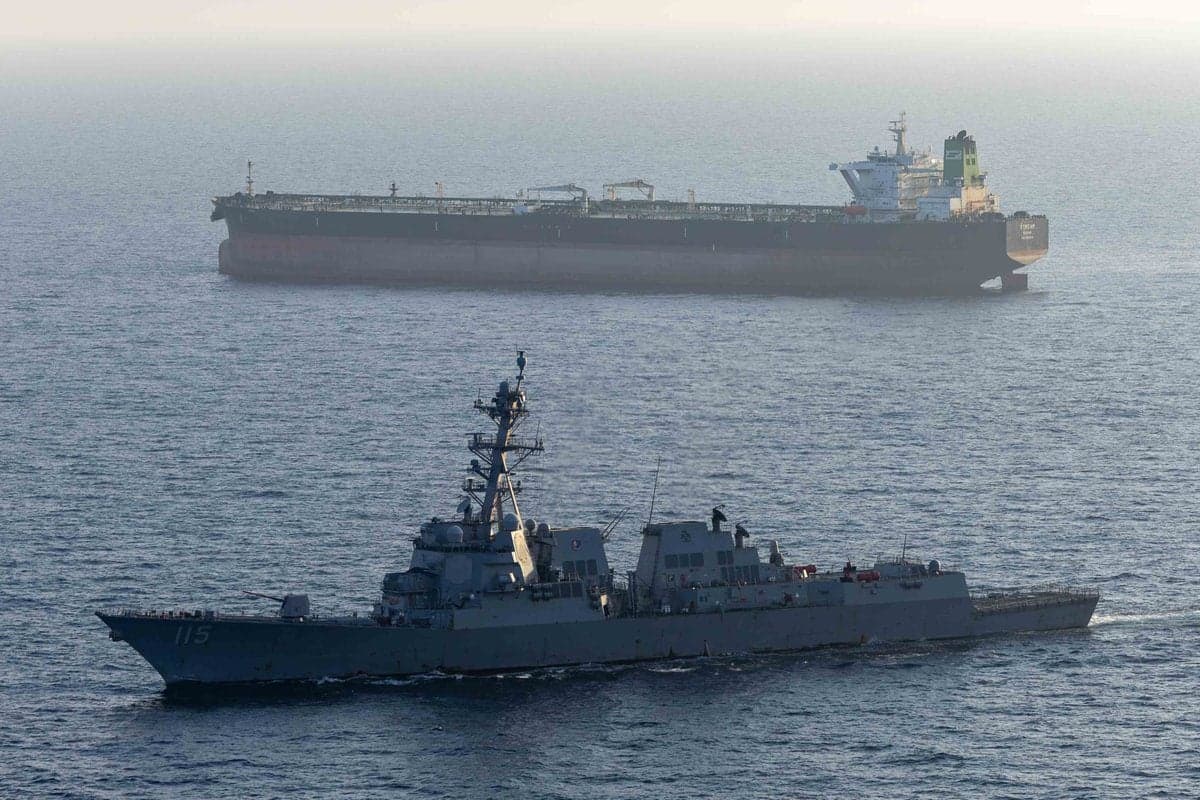
A substantial number of Iranian oil tankers are reportedly accumulating near Iran's coast, suggesting that the re-imposed US naval blockade is successfully impeding the nation's energy exports. This situation is directly impacting Tehran's ability to generate revenue from its oil sales, as a significant portion of its tanker fleet is unable to transport crude to international markets.
This development underscores the ongoing geopolitical tensions and the strategic use of sanctions by the United States to exert pressure on Iran. The effectiveness of these measures is evident in the visible reduction of Iranian oil shipments, leading to economic consequences for the country.
For freight forwarders and shippers, this situation highlights the complexities and risks associated with global trade, particularly when dealing with sanctioned entities or regions. While direct engagement with Iranian oil exports is typically avoided due to sanctions, the broader implications include potential shifts in global oil supply dynamics and increased scrutiny on maritime activities in the region. Forwarders must remain vigilant regarding evolving sanctions regimes and their potential impact on vessel movements, insurance, and compliance requirements, even for indirect trade routes or commodities.
The article implies that the US will likely continue to enforce these sanctions, potentially leading to further accumulation of idle vessels and continued pressure on Iran's oil export capabilities.