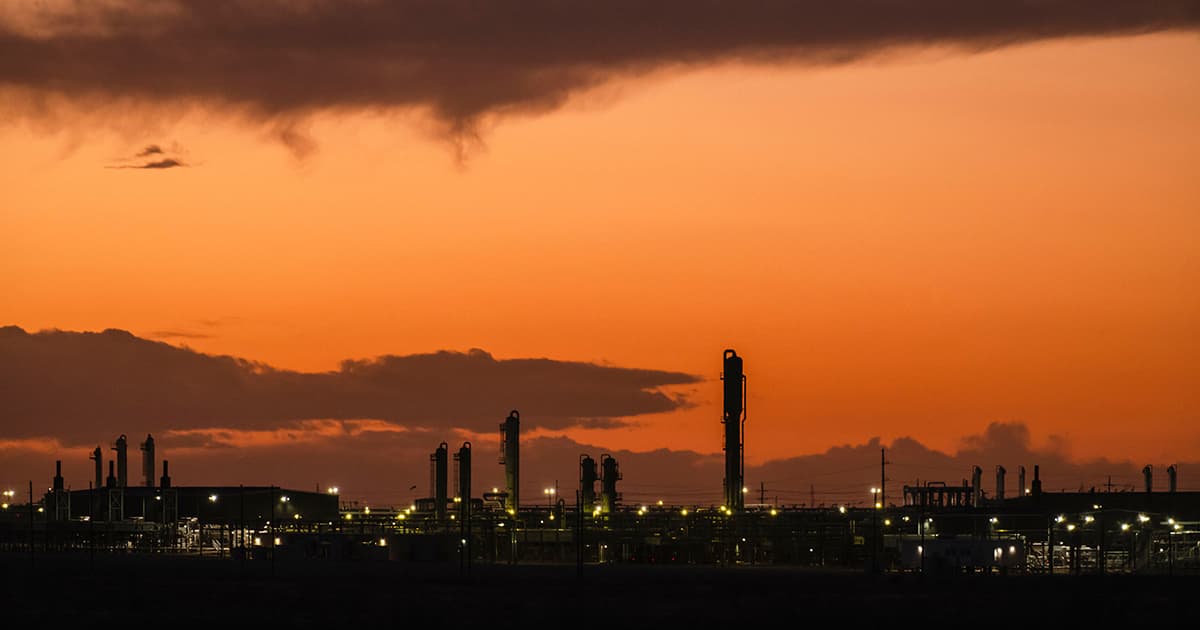
UK natural gas prices recently increased, surpassing 132 pence per therm. This upward movement follows a three-week low and is primarily driven by persistent anxieties surrounding the future availability of gas supplies. A contributing factor to market sentiment was an announcement by Iran, indicating an agreement with Oman on a proposed shipping route through the Strait of Hormuz. This development led to a slight easing of risk premiums associated with the critical waterway. However, despite this agreement, the broader risks to Liquefied Natural Gas (LNG) supply continue to be elevated, suggesting underlying vulnerabilities in the energy market.
For freight forwarders and supply chain professionals, fluctuations in natural gas prices can indirectly influence operational costs, particularly for carriers reliant on LNG as a bunker fuel or for energy-intensive logistics operations. While this article focuses on UK gas prices, the mention of LNG supply risks and the Strait of Hormuz highlights broader geopolitical and energy market dynamics that can impact global shipping routes and fuel costs. Increased gas prices could lead to higher energy costs for port operations, warehousing, and potentially contribute to inflationary pressures on overall logistics expenses, although the direct impact on container shipping rates is typically less immediate than crude oil prices.