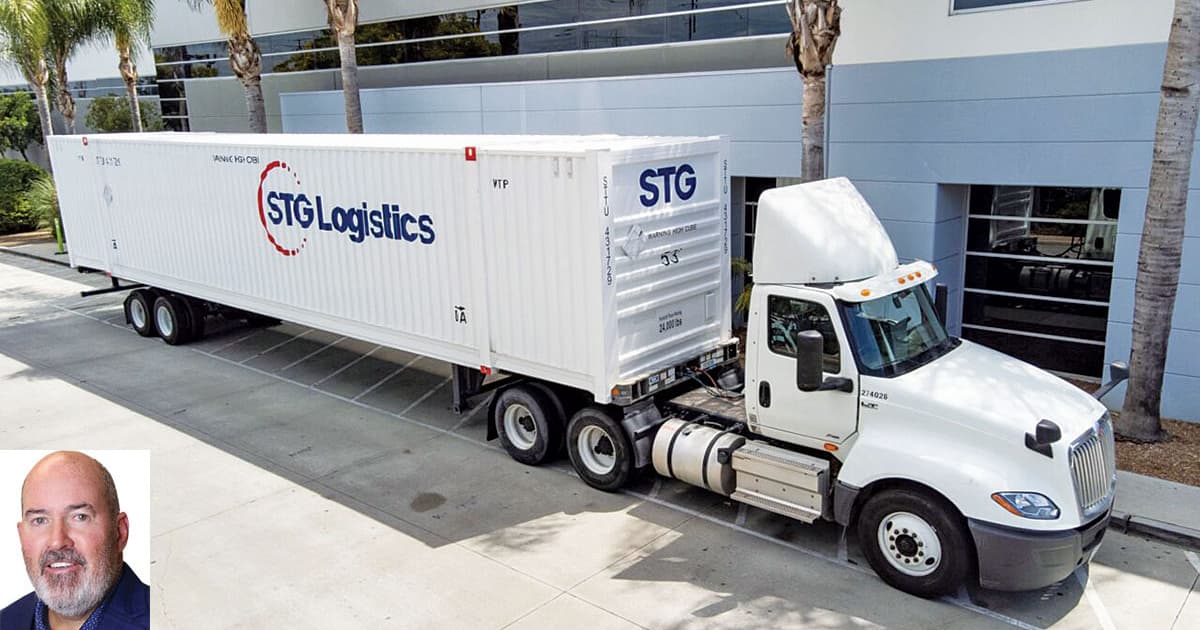
International traders are increasingly employing novel logistical strategies to circumvent significant bottlenecks and exceptionally high transit costs observed at various global ports. This proactive approach is a direct response to the operational challenges and financial burdens imposed by current supply chain conditions.
For freight forwarders and operations managers, this trend suggests a potential diversification of routing and an increased demand for flexible, multimodal solutions. Forwarders may need to explore alternative ports, inland depots, or different transport modes to offer competitive and reliable services. The emphasis on bypassing traditional bottlenecks could lead to new opportunities for niche carriers or logistics providers offering specialized routes or expedited services. It also highlights the importance of real-time visibility and agile decision-making to adapt to rapidly changing port conditions and cost structures.