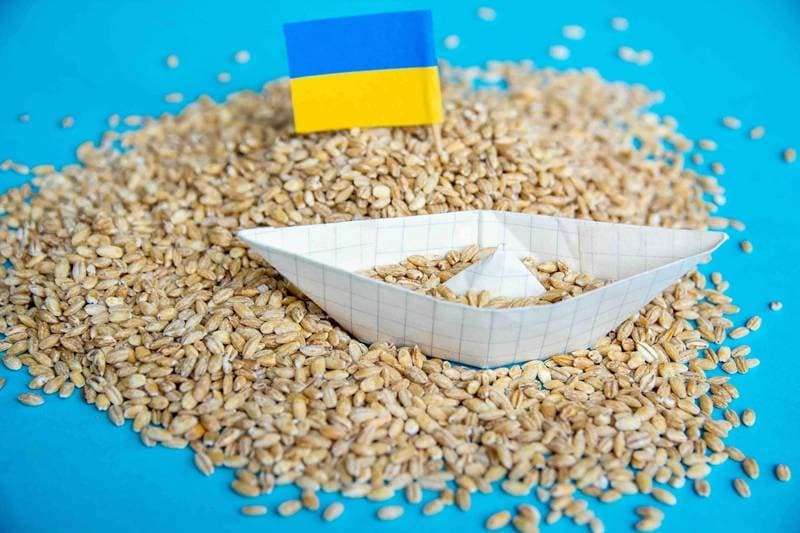
Ongoing hostilities between Russia and Ukraine are severely impacting port infrastructure in both nations, leading to substantial disruptions in grain exports. These two countries collectively account for approximately a quarter of the world's grain exports, making their conflict a critical factor in global food security. The damage to port facilities is impeding the flow of agricultural commodities, particularly wheat, from the "breadbasket of Europe" to international markets.
For freight forwarders and operations managers, this situation translates into heightened volatility and risk for agricultural commodity shipments. Expect increased ocean freight rates for grain, particularly from alternative sourcing regions, as demand shifts. Capacity might also become tighter on certain routes as carriers adjust schedules and port calls due to the ongoing conflict and associated risks. Forwarders will need to closely monitor geopolitical developments and potential changes in trade routes, while shippers should anticipate longer lead times and higher costs for grain transport, necessitating robust contingency planning.