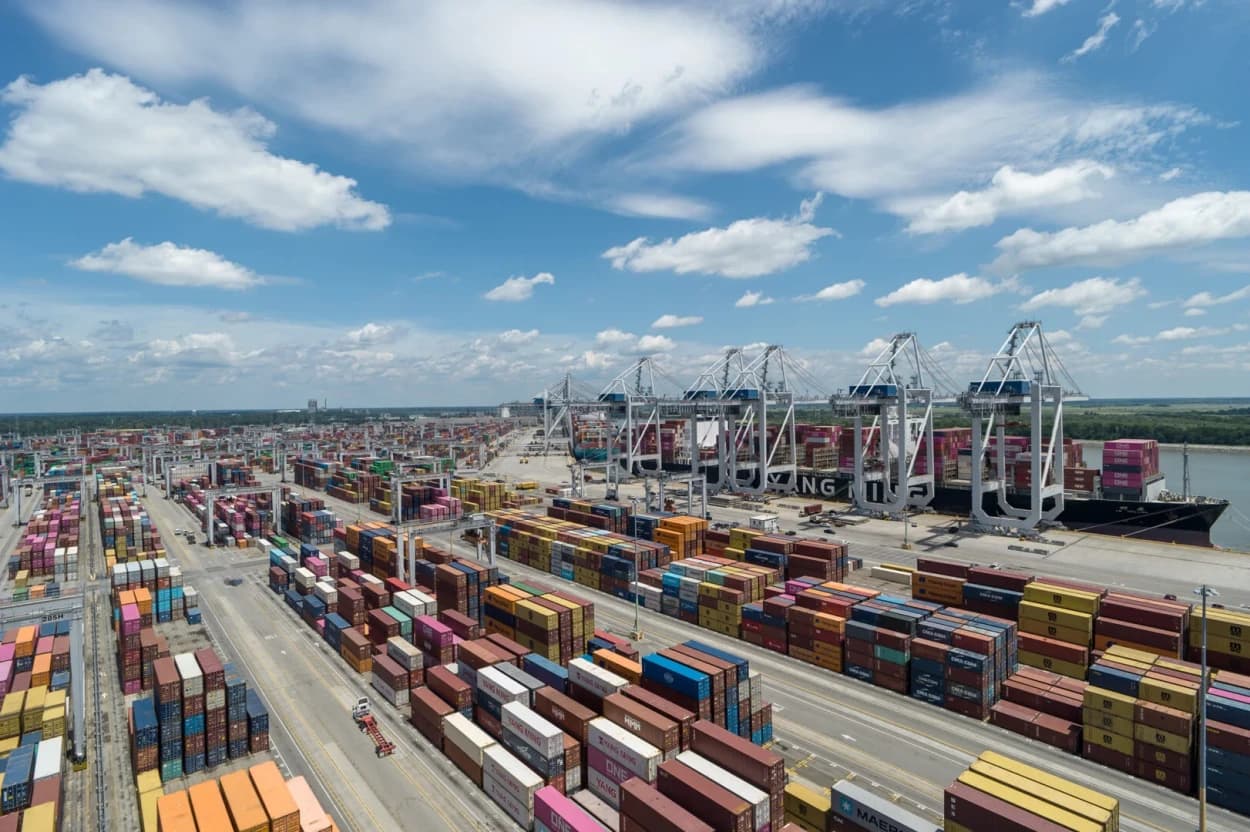
Maersk CEO Vincent Clerc has indicated that port congestion and the limitations of inland infrastructure are no longer temporary issues but have become inherent structural challenges within global supply chains. He emphasized that the capacity of these critical logistics hubs to manage expanding and increasingly uneven trade flows is now the primary factor restricting industry growth.
This perspective suggests that the current state of port and inland network strain is not merely a cyclical phenomenon but a deeper, more persistent problem. The global supply chain has experienced significant disruptions in recent years, highlighting vulnerabilities in infrastructure that were not designed for the current volume and volatility of cargo movements.
For freight forwarders and operations managers, this implies that port delays and inland bottlenecks should be factored into long-term planning rather than treated as isolated incidents. It suggests a need for more robust contingency planning, diversified routing options, and potentially higher lead times. Capacity management and schedule reliability will remain critical challenges, potentially leading to sustained pressure on freight rates and increased operational costs due to longer transit times and demurrage. Shippers may need to adjust inventory strategies and build greater resilience into their supply chains.
While the article does not explicitly state future actions, Clerc's comments suggest that the industry must adapt to these new realities, potentially through investments in infrastructure, technology, and more collaborative approaches to logistics management.